The MicroByte Pathogen Series : Neisseria Meningitidis- Inside the Brain-Invading Bacterium
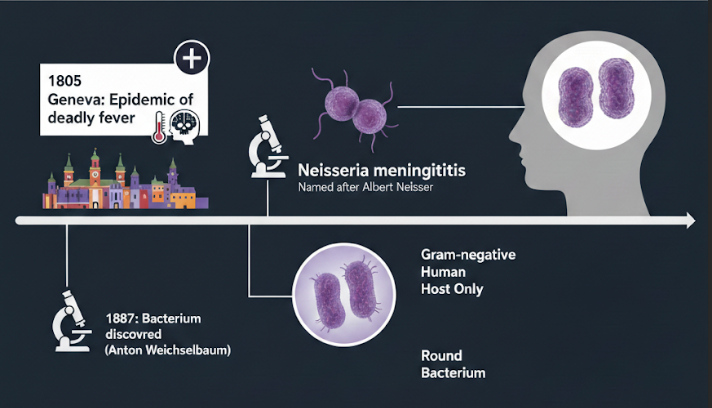
Long before scientists knew what caused it, outbreaks of sudden, deadly fever and brain inflammation terrified communities. In 1805, a doctor named Ga..
MicroByte Series
The MicroByte Pathogen Series : Streptococcus pneumoniae –When Common Bacterium Turns Deadly
Streptococcus pneumoniae has a long and influential history that closely mirrors the development of modern microbiology and genetics. The bacterium wa..
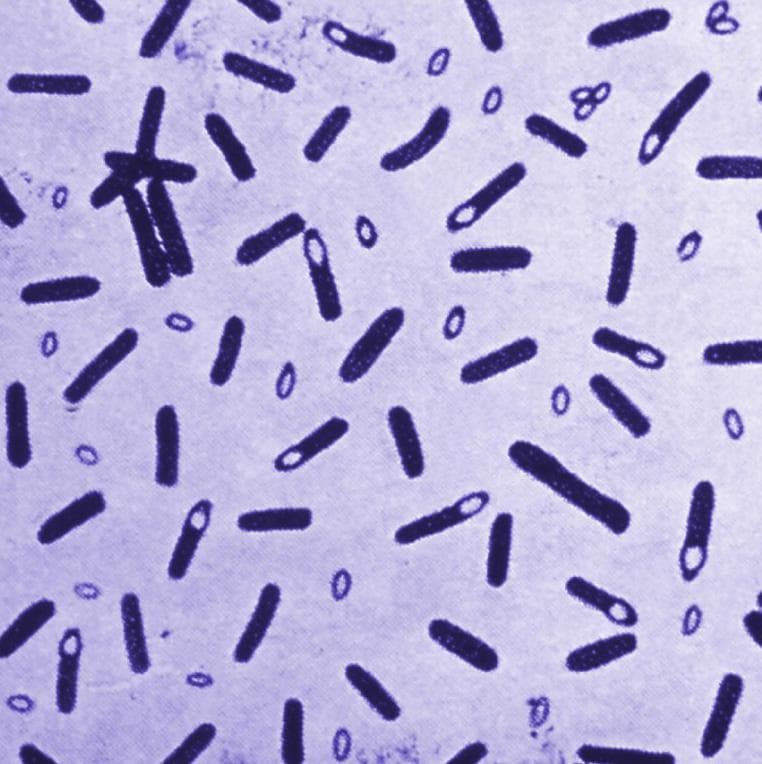
The MicroByte Pathogen Series : Clostridum botulinum- Botulinum Paradox
The first outbreak of botulism was reported in 1793 following the consumption of sausages contaminated with Clostridium botulinum in Wildbad, Germany...
The MicroByte Pathogen Series: Yersinia pestis- A Famed Foe
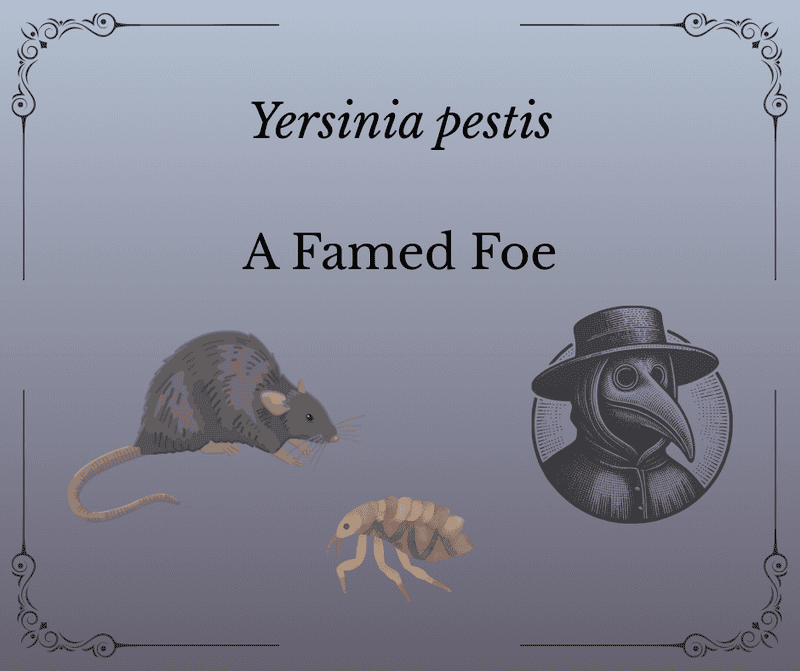
Yersinia pestis is well known by most for being one of the most important disease-causing agents in human history. Y. pestis causes the “plague”- ou..
The MicroByte Series: From Dairy Starter to Probiotic Powerhouse: Lactococcus lactis
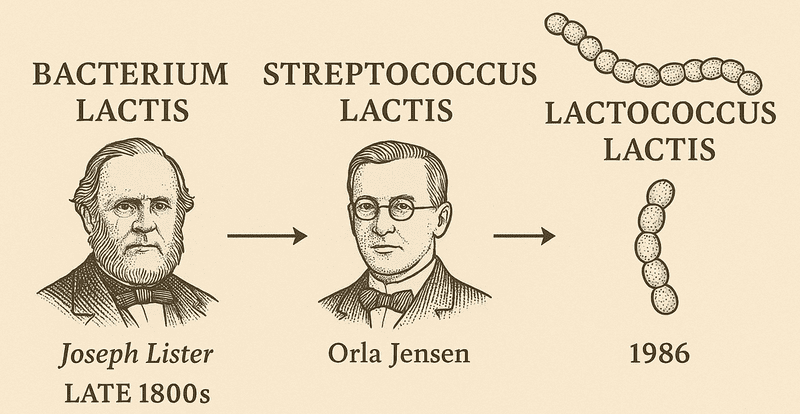
The story of the humble dairy starter, now known as Lactococcus lactis, is a thrilling snapshot of microbial science history. Its scientific journey b..
The Microbyte Series: Meet the Starch-Lover: Lactobacillus amylovorus
Not all probiotics are born in a yogurt cup; some emerge from much humbler beginnings. Lactobacillus amylovorus was first discovered in 1981 by microb..
The MicroByte Series: Bifidobacterium longum: A Lifelong Friend
Bifidobacteria are important (and beneficial!) colonisers of the human gut- of which Bifidobacterium longum stands out as one of the most prolific, b..
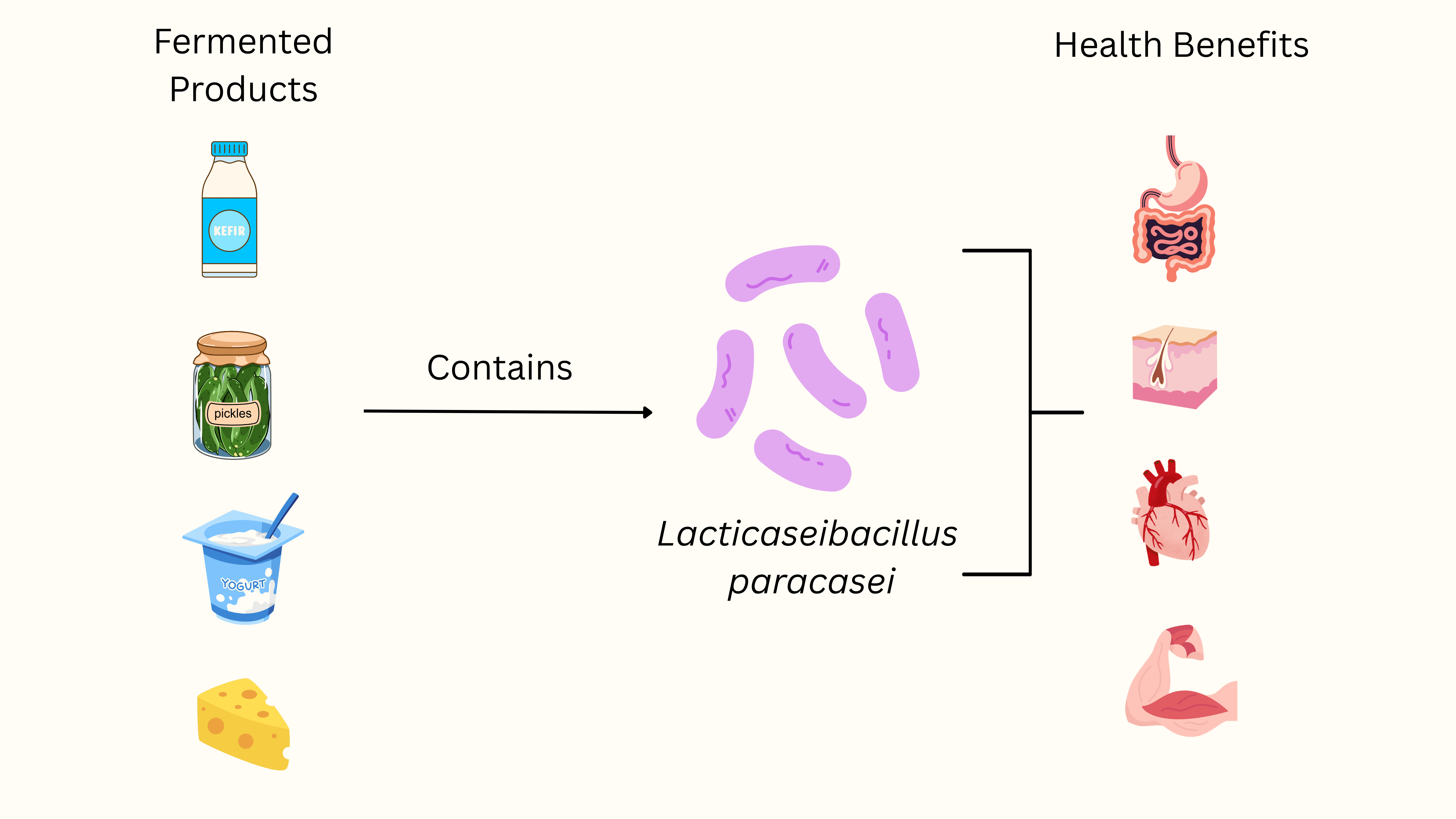
The MicroByte Series : Lacticaseibacillus paracasei- All Purpose Probiotic
In 1989, under the species Lacticaseibacillus casei, five different subspecies were recognized: L. casei subsp. casei, L. casei subsp. alactosus, L. c..
The MicrobyteSeries : Bifidobacterium breve – A Tiny Bacterium with Mighty Benefits
The story of Bifidobacterium is closely tied to the origins of microbiology and probiotic science, beginning in 1899 when French pediatrician Henri T..
The MicroByte Series -Staphylococcus epidermidis: A Double-Edged Sword
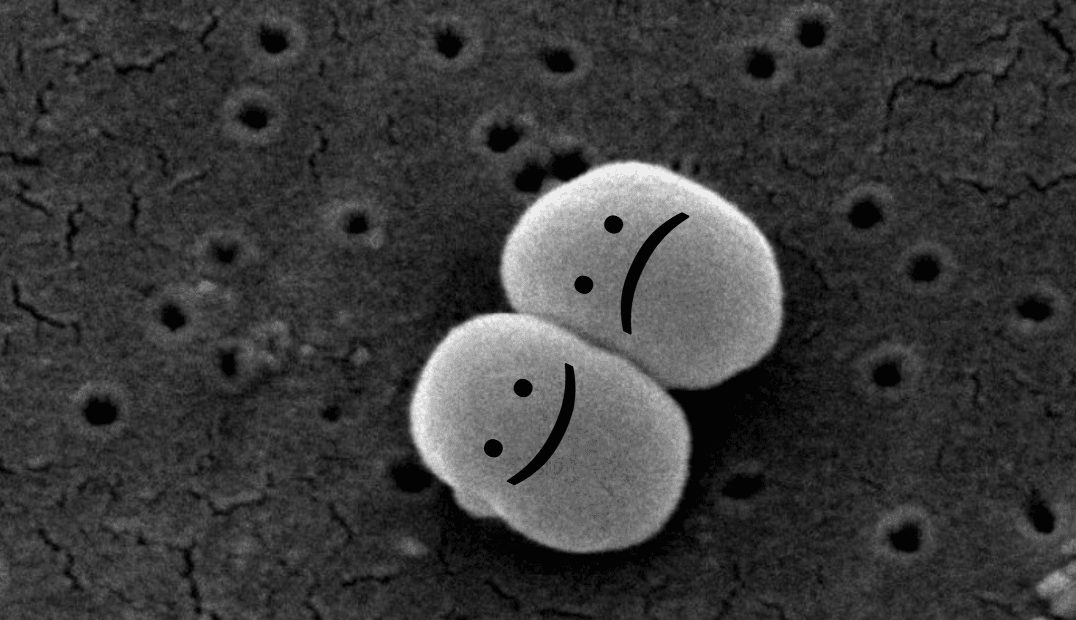
Staphylococcus epidermidis, whose name comes from ‘staphyl’ meaning, grape bunch-like appearance under a microscope, ‘coccus’ which indicates the roun..