Does Coffee Help or Harm Your Gut Microbiome?
Benefits, Risks, and What Science Really Says
Coffee is one of the most widely consumed beverages in the world. For many people, it’s the first thing they reach for in the morning. Beyond energy and alertness, coffee has a direct connection to gut health, influencing digestion in different ways.

“Is coffee good or bad for gut health?”
The answer isn’t a simple yes or no. Coffee can both support and disrupt the gut microbiota, depending on individual food tolerance, caffeine sensitivity, and overall digestive balance. While the antioxidants in coffee may support beneficial gut flora and immunity, excess caffeine can trigger digestive issues such as acidity or discomfort in some individuals.
In this article, we’ll explore how coffee affects your gut microbiome, its benefits, potential risks, and what science really says about drinking coffee without compromising digestive health. If you want deeper, personalized insights, a gut microbiome test can help you understand how your body responds to coffee and other dietary choices.
What Is the Gut Microbiome?
The gut microbiome is a complex community of trillions of bacteria, fungi, and other microbes living in your digestive system. These microbes play a crucial role in digestion and nutrient absorption, immune system regulation, and maintaining overall gut balance. They also influence mental health through the gut–brain axis, help control inflammation, and support metabolism and energy levels.
When the gut microbiota is balanced, digestion works efficiently and the body functions smoothly. However, when this balance is disrupted, it can lead to common digestive issues such as bloating and acidity, along with fatigue, skin problems, weakened immunity, and even mood changes.
How Does Coffee Interact With the Gut Microbiome?
Coffee contains more than 1,000 natural compounds, including polyphenols, caffeine, and antioxidants. These compounds interact with the good and bad bacteria in your gut, affecting how they grow and function.
This is why coffee can impact gut health in different ways. For some people, it helps support healthy gut flora, while for others, especially those sensitive to caffeine, it may lead to digestive issues like acidity or discomfort.
Coffee acts as:
Coffee can affect the gut in different ways. For some people, it acts like a prebiotic, helping certain good gut bacteria grow. It can also stimulate bowel movement, which is why many people feel the urge to use the bathroom after drinking coffee.
However, in sensitive individuals, coffee can increase acid production, which may lead to acidity, heartburn, or other digestive discomfort.
Benefits of Coffee for Gut Health
1. Coffee Supports Beneficial Gut Bacteria
Several studies suggest that coffee may support gut health by increasing beneficial bacteria such as Bifidobacteria, which play an important role in maintaining healthy gut flora. These bacteria are associated with better digestion, improved immunity, and reduced inflammation.
The antioxidants and polyphenols present in coffee act as nourishment for the gut microbiota, helping good bacteria grow and stay active. However, individual food tolerance and sensitivity to caffeine matter, as excessive intake may still lead to digestive issues in some people. This interaction between diet, gut bacteria, and mental well-being is also explained in our article on the connection between psychology and gut bacteria.
2. Coffee Improves Bowel Movements
Coffee stimulates the muscles of the colon, which is why many people feel the urge to use the bathroom shortly after drinking it. This effect shows how coffee and gut health are closely connected, especially when it comes to digestion and bowel movement.
For people dealing with constipation or sluggish digestion, moderate caffeine intake can help improve gut motility and support healthier gut flora. However, too much coffee may overstimulate the digestive system, leading to digestive issues such as loose stools or discomfort, particularly in individuals with low food tolerance or sensitive gut microbiota.
3. Coffee Is Rich in Antioxidants
Coffee is one of the largest sources of antioxidants in the modern diet. These antioxidants help reduce oxidative stress and inflammation in the gut, which supports overall digestive health.
By helping maintain a healthier gut environment, coffee may indirectly support the balance of gut bacteria. However, the impact can vary from person to person, depending on individual digestion and sensitivity.
4. Coffee May Reduce Risk of Certain Gut Disorders
Research suggests that moderate coffee consumption may be linked to a lower risk of type 2 diabetes, liver disease, and certain inflammatory conditions.
These benefits are believed to be connected to coffee’s ability to support a healthier gut microbiota and reduce inflammation, contributing positively to overall digestive health.
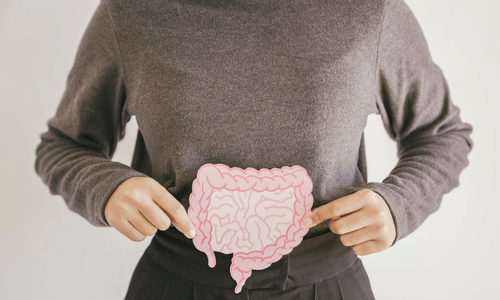
How Coffee Can Harm Your Gut Microbiome
Despite its benefits, coffee is not gut-friendly for everyone.
1. Coffee Increases Stomach Acid
Coffee stimulates gastric acid secretion. For people with:
Acid reflux
Gastroesophageal reflux disease(GRED)
Gastritis
This can worsen symptoms like burning, bloating, or discomfort.
2. It Can Irritate a Sensitive Gut
People with IBS or a sensitive digestive system may experience:
Cramping
Diarrhea
Gas
Anxiety-like symptoms
This is often due to caffeine’s effect on the gut–brain axis.
3. Coffee May Disrupt Gut Balance When Overconsumed
Excessive coffee intake (4–6+ cups daily) can:
Increase stress hormones
Disrupt sleep (which affects gut bacteria)
Reduce microbial diversity
A stressed body often leads to a stressed gut.
4. Additives Matter More Than Coffee Itself
Sugar, artificial sweeteners, flavored syrups, and dairy can damage gut health more than coffee alone.
Common gut disruptors include:
Artificial sweeteners (aspartame, sucralose)
Excess sugar
Highly processed creamers
Is Black Coffee Better for the Gut?
Yes, black coffee is generally better for gut health compared to sugary or flavored versions.
Best options for gut health:
Black coffee
Coffee with plant-based milk (unsweetened)
Organic or low-acid coffee
Coffee types to limit:
Instant coffee with additives
Flavored coffees
Sugary café drinks

How Much Coffee Is Safe for Gut Health?
Most research suggests that 1–3 cups per day is generally safe and beneficial for most people.
However, tolerance varies. Signs you may be drinking too much coffee include:
Bloating
Acid reflux
Anxiety
Irregular bowel movements
Listening to your body is key.
Tips to Drink Coffee Without Harming Your Gut
Avoid coffee on an empty stomach
Limit to 1–2 cups if you have digestive issues
Choose low-acid or cold-brew coffee
Avoid artificial sweeteners
Balance coffee with fiber-rich foods
Coffee and the Gut–Brain Connection
Coffee affects not just digestion but also mood and focus. While moderate intake may improve alertness, excessive caffeine can increase stress hormones, which negatively affect gut bacteria.
This explains why coffee can sometimes worsen:
Anxiety
Brain fog
Digestive discomfort
Final Verdict: Does Coffee Help or Harm Your Gut?
Coffee can help your gut microbiome when consumed in moderation and in its pure form. However, for people with sensitive digestion, excessive intake or poor-quality coffee can do more harm than good.
References
Saygili, S., Hegde, S., & Shi, X. Z. (2024). Effects of Coffee on Gut Microbiota and Bowel Functions in Health and Diseases: A Literature Review. Nutrients, 16(18), 3155. https://doi.org/10.3390/nu16183155