How to Protect Your Skin and Microbiome from Pollution
Introduction
Your skin is your body’s first line of natural defense against germs, chemicals, toxins, pollutants, and irritants/allergens. It is also home to tiny microbes most of which are harmless or even beneficial. This skin microbiome acts like a protective shield, helping prevent infections, modulate immunity, and maintain overall skin health. Its composition varies based on body sites, age, sex, genetics, and importantly, environmental factors such as air quality.
Air pollution including dust, smoke, vehicle emissions, and industrial chemicals —is not only harmful to your lungs but also a major threat to your skin. Tiny toxic particles in polluted air can damage the skin barrier, trigger inflammation, and negatively alter the skin microbiome .To understand your skin’s unique microbial balance and how pollution may be affecting it, try the Skin Microbiome Test from BugSpeaks—it helps you take the first step toward healthier skin.
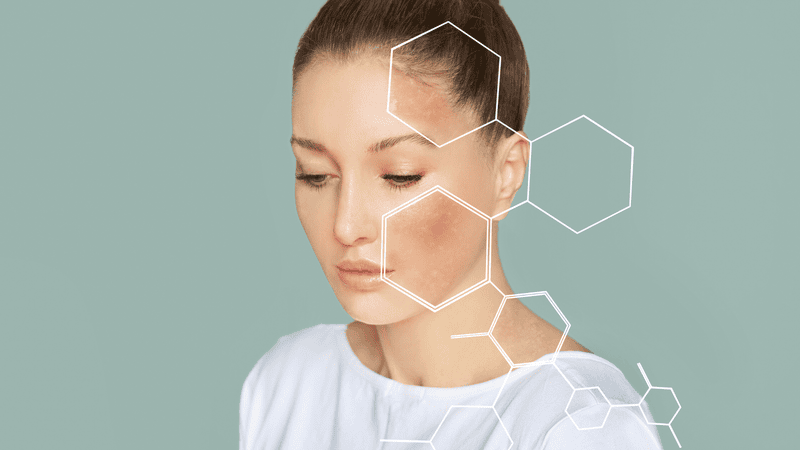
How Pollutants Affect Your Skin Health
1. Breaks Down Your Protective Barrier
Pollution weakens the structural components of the skin, such as proteins and lipids, that help lock in moisture and keep germs out. Tiny pollution particles called particulate matter (PM) can alter key skin proteins and lipids like ceramides, increasing dryness and making the skin more prone to irritation, infections, and premature aging.
2. Triggers Inflammation
Ultrafine particles and traffic fumes stimulate the overproduction of reactive oxygen species (ROS) unstable molecules that damage DNA, proteins, and lipids. This leads to chronic inflammation, accelerates skin aging, and worsens conditions like eczema and psoriasis. In addition, pollutants can mix with excess sebum on the skin, clog pores, and promote the growth of certain microbes, triggering inflammation and making the skin more prone to acne breakouts.
3. Disrupts Skin pH
Polluted environments can increase skin pH, reducing its protective function and impairing moisture retention. This makes the skin dry, sensitive, and more susceptible to infections. Pollution also affects microbial balance, encouraging the growth of opportunistic pathogens.
4. Disrupts the Skin Microbiome
Exposure to pollutants can reduce skin microbial diversity. Beneficial microbes like S. epidermidis produce essential lipids such as ceramides that strengthen the skin barrier and support hydration. Pollutants can decrease these beneficial microbes and interfere with metabolite production, compromising barrier function and causing dryness, flakiness, and itchiness.
Lower levels of protective microbes also allow harmful microbes such as Malassezia spp. and Aureobasidium spp. to overgrow, which is linked to inflammatory skin conditions like atopic dermatitis. Pollutants like polycyclic aromatic hydrocarbons (PAHs) can also lead to the accumulation of unfavourable metabolites such as N-acetyl amino acids, promoting the colonization of Malassezia spp that might further worsen the skin discomforts. To understand common misconceptions around skin microbes and how they interact with skincare, you can also explore this detailed guide on skin microbiome myths.
5. Contributes to Antibiotic Resistance
Air pollutants and UV rays can activate genes in skin microbes that enhance antimicrobial resistance, making infections harder to treat over time.
Simple Strategies to Protect Your Skin and Microbiome
Using Pollution-Shielding Skin care Ingredients
Barrier Builders
Moisturizers rich in ceramides, hyaluronic acid, niacinamide, and panthenol help lock in hydration, repair pollution-induced stress, and strengthen skin barrier integrity.
Antioxidants
Topical antioxidants like vitamin C, ferulic acid, and astaxanthin neutralize free radicals, protect against UV and pollution damage, and boost collagen production, reducing fine lines and wrinkles.
Probiotic Lysates
Moisturisers and serums containing probiotic lysates support a healthy skin microbiome and promote faster recovery after pollution exposure, along with having a positive impact on skin health parameters such as hydration and moisturization.
Cultivating Healthy Habits
Gentle Cleansing
Use mild, fragrance-free, pH-friendly cleansers to remove pollutants, dead skin, and impurities. Cleansers with a pH around 5 help maintain the skin’s natural acidity and microbial balance.
Serums
Serums with niacinamide, panthenol, hyaluronic acid, and vitamin C improve hydration, moisturization, skin firmness, and help reduce fine lines and wrinkles.
Moisturizer
Facial creams and moisturizers hydrate the skin and support barrier function.
Sunscreen
Pollution increases UV sensitivity. A broad-spectrum sunscreen helps protect against combined pollution and sun-induced damage even on cloudy days.
Shower After Exposure to Pollutants
After being outdoors in heavy traffic or polluted environments, showering helps remove accumulated particles from the skin.
Air Purifiers
If you live in a highly polluted area, an indoor air purifier can reduce airborne particles that settle on your skin.
Diet and Lifestyle
Eating Antioxidant-Rich Foods
Fruits and vegetables rich in anti-oxidants, vitamins and phytonutrients help your skin fight pollution from within and help repair the damaged skin.
Staying Hydrated
Drinking enough water keeps your skin plump and enhances its protective abilities.
Quit Smoking
Cigarette smoke breaks down collagen and elastin, accelerating premature aging and increasing water loss, which impairs skin barrier function.
For those who smoke cigarettes regularly, products like the RychBiome Probiotic for Smokers may help support overall microbial balance and resilience.
Conclusion
Pollution is everywhere, especially in urban and developing areas, and its impact on skin health runs deeper than it appears. It can disrupt your skin barrier, harm beneficial microbes, increase sensitivity, and accelerate aging. The good news? With the right skincare ingredients, habits, and lifestyle choices, you can build strong defenses that keep your skin barrier resilient and your microbiome balanced.
Protecting your skin isn’t just about appearance, it's about supporting your body’s natural defense system in a polluted world. A simple, consistent skincare routine combined with healthy lifestyle habits can make a meaningful difference.
-Aravind Krishna
References
Tran, P. T., Schleusener, J., Kleuser, B., Jung, K., Meinke, M. C., & Lohan, S. B. (2024). Evidence of the protective effect of anti-pollution products against oxidative stress in skin ex vivo using EPR spectroscopy and autofluorescence measurements. European journal of pharmaceutics and biopharmaceutics : official journal of Arbeitsgemeinschaft fur Pharmazeutische Verfahrenstechnik e.V, 197, 114211. https://doi.org/10.1016/j.ejpb.2024.114211
Liu, C. X., Li, L., & Zeng, Y. P. (2025). The Role of Air Pollution in the Pathogenesis of Atopic Dermatitis, With a Focus on Oxidative Stress. Clinical and translational allergy, 15(9), e70104. https://doi.org/10.1002/clt2.70104
Hieda, D. S., Anastacio da Costa Carvalho, L., Vaz de Mello, B., Oliveira, E. A., Romano de Assis, S., Wu, J., Du-Thumm, L., Viana da Silva, C. L., Roubicek, D. A., Maria-Engler, S. S., & Berlanga de Moraes Barros, S. (2020). Air Particulate Matter Induces Skin Barrier Dysfunction and Water Transport Alteration on a Reconstructed Human Epidermis Model. The Journal of investigative dermatology, 140(12), 2343–2352.e3. https://doi.org/10.1016/j.jid.2020.03.971
Portugal-Cohen, M., Oron, M., Cohen, D., & Ma'or, Z. (2017). Antipollution skin protection - a new paradigm and its demonstration on two active compounds. Clinical, cosmetic and investigational dermatology, 10, 185–193. https://doi.org/10.2147/CCID.S129437
Lehmann, A. D., Blank, F., Baum, O., Gehr, P., & Rothen-Rutishauser, B. M. (2009). Diesel exhaust particles modulate the tight junction protein occludin in lung cells in vitro. Particle and fibre toxicology, 6, 26. https://doi.org/10.1186/1743-8977-6-26
Cervellati, F., Benedusi, M., Manarini, F., Woodby, B., Russo, M., Valacchi, G., & Pietrogrande, M. C. (2020). Proinflammatory properties and oxidative effects of atmospheric particle components in human keratinocytes. Chemosphere, 240, 124746. https://doi.org/10.1016/j.chemosphere.2019.124746