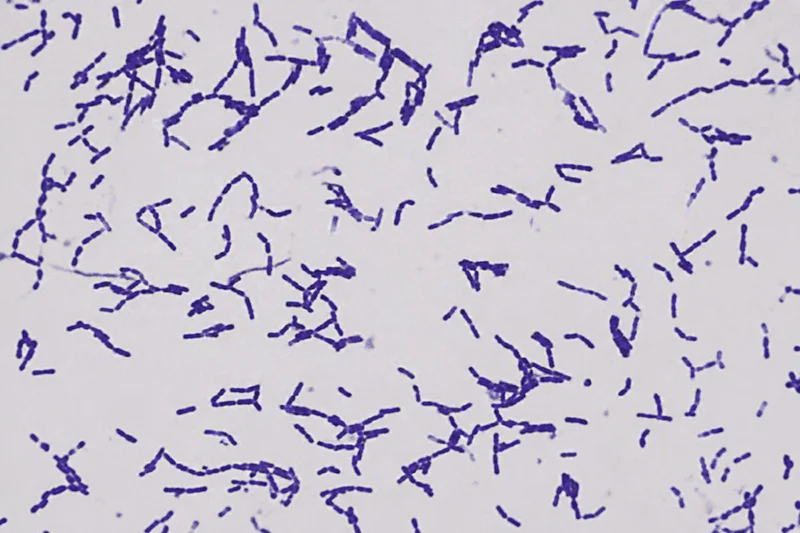
Lactobacillus gasseri is a versatile Gram-positive bacterium capable of supporting a wide array of human health functions. Driven by an advanced arsenal of protective bacteriocins and lactic acid, it effortlessly bolsters host defense, colonizing the infant gut naturally through maternal breast milk. Health benefits range from maintaining localized vaginal homeostasis to mitigating severe systemic conditions, including gastrointestinal ulcers and toxic kidney stone formation. Accurate identification leverages classic isofunctional enzyme analysis and modern tools like DNA-DNA hybridization. While intervention typically utilizes targeted probiotic supplementation to resolve mucosal diarrhea, robust prevention relies heavily on maintaining optimal microbial balance.
History
Lactobacillus gasseri was formerly believed to be a strain of Lactobacillus acidophilus. In the 1960s, Francis Gasser isolated different strains of L. acidophilus from stool samples. These strains showed a broad range of G+C content, ranging from 32% to 50%. Later in his career, while studying isofunctional enzymes, namely the D- and L-lactate dehydrogenases derived from different strains of L. acidophilus, he observed variations in the enzymes depending on their origin and categorized them into three groups.
In the 1970s, with advancements in nucleic acid technologies, several laboratories performed DNA-DNA hybridization. Using this method, it was discovered that L. acidophilus comprised five distinct groups. One of these groups was named after Dr. Francis Gasser and became known as Lactobacillus gasseri.
Health Benefits
Lactobacillus gasseri is found throughout the human body, from the oral cavity to the small and large intestines. In females, it is native to the vaginal mucosa and can be isolated from breast milk. This widespread presence of L. gasseri across different organ systems highlights its importance for overall health.
Within the vaginal microbiome, the presence and abundance of Lactobacillus species are strongly associated with vaginal health. Among these, L. gasseri plays a key role in maintaining the homeostasis of the vaginal microbial ecosystem. It prevents colonization by harmful bacteria and yeasts that cause infections such as bacterial vaginosis and vulvovaginal candidiasis by producing lactic acid, bacteriocins, and hydrogen peroxide.
L. gasseri also supports immunity in the gastrointestinal tract. It activates immune cells and stimulates the production of antibodies, particularly IgA, which help protect against pathogens. Recent studies suggest that it may also reduce allergy-related markers such as IgE and modulate immune cells responsible for heightened immune responses.
Additionally, L. gasseri has been shown to degrade oxalates, plant-derived compounds that cannot be metabolized by human enzymes. Excessive oxalate intake can disrupt calcium metabolism and increase the risk of kidney stones and renal complications. By breaking down oxalates, L. gasseri may serve as a prophylactic agent against oxalate toxicity and kidney-related disorders

Applications
As a native colonizer, Lactobacillus gasseri confers numerous health benefits. Owing to extensive research, it has been designated as “Generally Recognized as Safe” (GRAS) by the FDA and is also approved by FSSAI for consumption. Current research focuses on using probiotics to treat specific conditions or alleviate symptoms, and modern healthcare sectors are increasingly interested in exploring established probiotics such as L. gasseri for their diverse health applications.
Clinical trials have shown promising results in reducing the severity of diarrhea through L. gasseri intervention. In animal models, probiotics containing L. gasseri have been shown to reduce ulcers and accelerate the healing process. Vaginal tablets with L. gasseri have demonstrated efficacy in lowering pathogen load and alleviating symptoms of vaginal infections. In mice challenged with the H1N1 influenza virus, treatment with L. gasseri reduced viral titers. This was accompanied by an upregulation of immune cells and molecules required to combat infections, suggesting that L. gasseri enhances immunity indirectly by activating host immune responses. Although the exact mechanism by which L. gasseri inhibits viral infections remains unclear, preliminary animal studies suggest its potential as a prophylactic therapy against viral pathogens.
Strains of L. gasseri MA exhibit anti-cholesterol properties, thereby reducing the risk of cardiovascular diseases. They also display antioxidant activity, mitigating oxidative damage to cells and DNA.
Currently, L. gasseri is not widely used in the food industry apart from its role in fermented dairy products. However, growing knowledge of its properties may attract greater interest from the food sector. Strains of L. gasseri MA have been investigated for potential applications in food preservation. Certain strains produce bacteriocins(antimicrobial compounds) that can act as natural preservatives. Moreover, some strains have demonstrated resistance to nisin, a common bio-preservative used in functional foods. Because of this resistance, L. gasseri can be combined with nisin to help extend the shelf life of food products.
Did you know
One of the earliest colonizers of newborns is Lactobacillus gasseri. Since it was consistently found in the infant gut microbiome, researchers questioned the origin of this bacterium. Initially, they hypothesized that the mode of delivery influenced colonization, as the vagina is a natural niche for L. gasseri. Around the same time, researchers also discovered that human breast milk, apart from being nutrient-rich, harbors its own microbiome. Among the prominent bacteria present in breast milk is L. gasseri, which can serve as a seed for colonizing the infant gut. This finding suggests that human milk is an important source of initial colonizers for the infant microbiome, in contrast to the mode of delivery.
Microbe profile
Shape: Rod-shaped
Gram nature: Gram +ve
Spore formation: No
Biofilm formation: Yes
Oxygen requirement: Facultative anaerobes
Optimal temperature: 37-40°C
Optimal pH: 5.5
Nutrient usage: Sucrose, Cellobiose, Glucose, Mannose
Taxonomic Classification
Domain: Bacteria
Kingdom: Bacillati
Phylum: Bacillota(Firmicutes)
Class: Bacilli
Order: Lactobacillales
Family: Lactobacillaceae
Genus: Lactobacillus
Species: Lactobacillus gasseri
-Khushi C
Reference
Kurt Selle, Todd R. Klaenhammer, Genomic and phenotypic evidence for probiotic influences of Lactobacillus gasseri on human health, FEMS Microbiology Reviews, Volume 37, Issue 6, November 2013, Pages 915–935, https://doi.org/10.1111/1574-6976.12021
R. Martín, G.H.J. Heilig, E.G. Zoetendal, H. Smidt, J.M. Rodríguez, Diversity of the Lactobacillus group in breast milk and vagina of healthy women and potential role in the colonization of the infant gut, Journal of Applied Microbiology, Volume 103, Issue 6, 1 December 2007, Pages 2638–2644, https://doi.org/10.1111/j.1365-2672.2007.03497.x
Gunyakti, A., & Asan-Ozusaglam, M. (2018). Investigation of the potential use of Lactobacillus gasseri originated from human breast milk as food additive. LWT, 93, 613–619. https://doi.org/10.1016/j.lwt.2018.04.020