The MicroByte Series- Heyndrickxia coagulans: The Spore-Forming Probiotic
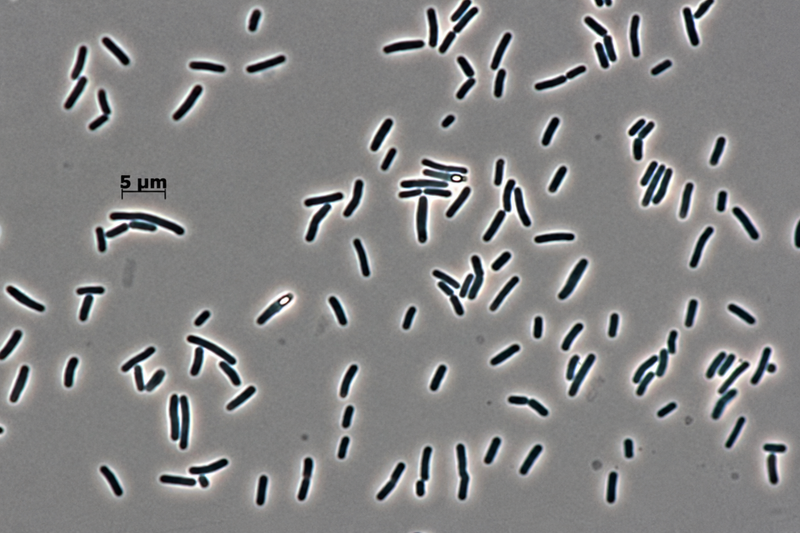
First identified in 1915, Heyndrickxia coagulans is a versatile Gram-positive bacterium capable of supporting a wide array of human health functions. Driven by an advanced arsenal of protective spores and antimicrobial peptides, it effortlessly evades harsh gut environments, spreading rapidly through fortified food applications and therapeutic supplements. Distress ranges from minor gastrointestinal distress like flatulence to chronic systemic conditions, including metabolic diseases and autoimmune rheumatoid arthritis. Accurate classification leverages classic laboratory culture profiles and modern tools like comparative genetic analyses. While optimization typically requires targeted probiotic therapy for clinical strains, robust industrial application relies heavily on functional spore preservation protocols.
History
Heyndrickxia coagulans was initially thought to be a member of the genus Lactobacillus. Since its discovery, there has been confusion regarding its taxonomic classification, as it exhibits characteristics of both the Lactobacillus and Bacillus genera. Bacillus coagulans was first identified in 1915 by Hammer from spoiled canned milk; however, some strains were misclassified as Lactobacillus sporogenes. In 1933, Horowitz-Wlassowa and Nowotel reclassified Lactobacillus sporogenes under the genus Bacillus. In 2020, Bacillus coagulans was assigned to a newly created genus, Weizmannia, due to its genetic distinction from other Bacillus species. Subsequent genetic analyses in 2023 revealed similarities between the genera Weizmannia and Heyndrickxia, leading to the reclassification of all Weizmannia species under the genus Heyndrickxia. Therefore, the current and correct name of this bacterium is Heyndrickxia coagulans.
Health Benefits
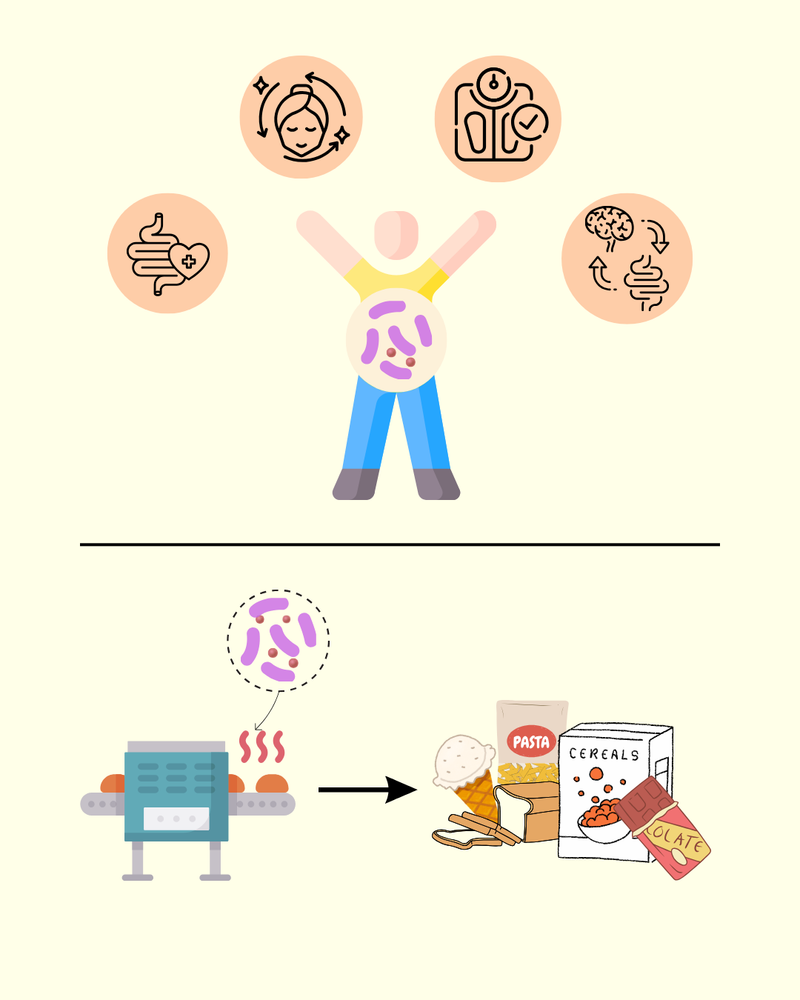
Heyndrickxia coagulans offers numerous health benefits, including gastrointestinal health, weight management, immune modulation, skin health, infection prevention, and overall well-being. It helps in inhibiting the colonization of pathogens by secreting antimicrobial peptides. It also keeps the body alert to ward off invading pathogens by increasing the number of immune cells. H. coagulans aids in better absorption of essential amino acids like leucine, which might lessen the muscle damage post-exercise and improve the skeletal muscle mass, further conferring better exercise outcomes. This probiotic also plays an important role in maintaining skin health by effectively stimulating the body’s own enzymes responsible for antioxidant properties, thus ensuring healthy and youthful skin.
Applications
H. coagulans has been very popular in the health sector, and numerous studies have been conducted to understand the effectiveness of this probiotic in the treatment of infections and to relieve the symptoms of certain disorders or diseases. H. coagulans is commonly used for treating diarrhoea. Several clinical trials have also shown its ability to improve the quality of life by reducing the discomforts like abdominal pain, flatulence, and bloating associated with IBS and several other gastrointestinal disorders. Recent studies have also shown that H.coagulans is a possible therapeutic agent for metabolic diseases, autoimmune diseases like rheumatoid arthritis, and major depressive disorders.
Along with its benefits with regard to health, H.coagulans serves as an ideal probiotic in the food industry because of its ability to withstand high temperatures and perform its functions. This property of H.coagulans is often exploited by the food industries, being used as an additive in cereals, in baked products such as white or whole wheat breads, pastas, dark chocolate, ice cream, and also gluten-free cake mix. In addition to this, the beverage and wine industries often extract xylanases (enzymes) from H.coagulans, and these are widely used in the clarification of fruit juices and wine.
Did you know?
What makes H.coagulans special from other probiotics?
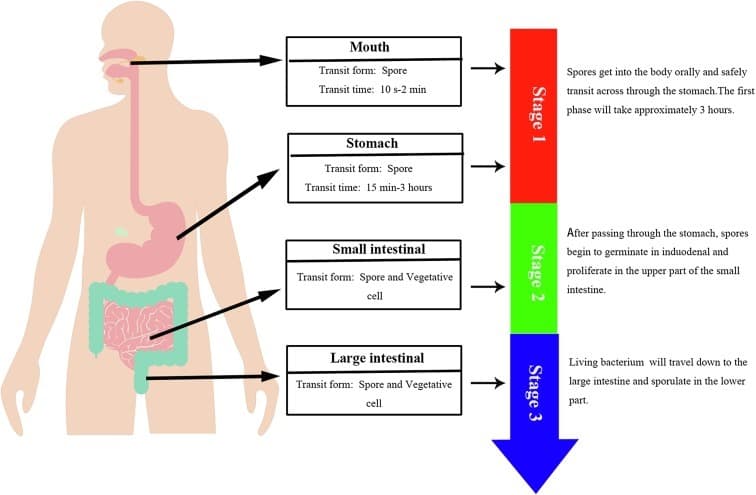
H.coagulas has two forms. One, the sleepy -dormant form (spores), and second, the active- live forms. The dormant form of H.coagulans has been widely exploited by the food and beverage industries since it can resist high temperatures, a trait highly appreciated during the manufacturing process. When this bacterium is challenged with harsh conditions like the acidic and low-oxygen environment usually encountered in the gut, the spores transform into their active forms and confer their health benefits. The spore-forming ability of H.coagulas along with its probiotic activity, is what makes it special!
Microbe Profile
Shape: Cylindrical with blunt ends
Gram nature: Gram-positive
Spore formation: Yes
Biofilm formation: Yes
Oxygen requirement: Facultative anaerobes
Optimal temperature: 35 to 50 °C
Optimal pH: 5.5 to 6.5
Nutrient usage: Maltodextrin, Mannitol, Raffinose, Sucrose, and Trehalose
Taxonomic Classification
Kingdom: Bacteria
Phylum: Bacillota
Class: Bacilli
Order: Caryophanales
Family: Bacillaceae
Genus: Heyndrickxia
Species: Heyndrickxia coagulans
-Khushi C
Reference
Narsing Rao, M. P., Banerjee, A., Liu, G. H., & Thamchaipenet, A. (2023). Genome-based reclassification of Bacillus acidicola, Bacillus pervagus and the genera Heyndrickxia, Margalitia and Weizmannia. International journal of systematic and evolutionary microbiology, 73(7), 10.1099/ijsem.0.005961. https://doi.org/10.1099/ijsem.0.005961
Cao, J., Yu, Z., Liu, W., Zhao, J., Zhang, H., Zhai, Q., & Chen, W. (2019). Probiotic characteristics of Bacillus coagulans and associated implications for human health and diseases. Journal of Functional Foods, 64, 103643. https://doi.org/10.1016/j.jff.2019.103643
Almada-Érix, C. N., Almada, C. N., Pedrosa, G. T. S., Biachi, J. P., Bonatto, M. S., Schmiele, M., Nabeshima, E. H., Clerici, M. T. P., Magnani, M., & Sant’Ana, A. S. (2022). Bread as probiotic carriers: Resistance of Bacillus coagulans GBI-30 6086 spores through processing steps. Food Research International, 155, 111040. https://doi.org/10.1016/j.foodres.2022.111040
Konuray, G., & Erginkaya, Z. (2018). Potential Use of Bacillus coagulans in the Food Industry. Foods (Basel, Switzerland), 7(6), 92. https://doi.org/10.3390/foods7060092
Maresca, E., Aulitto, M., & Contursi, P. (2024). Harnessing the dual nature of Bacillus (Weizmannia) coagulans for sustainable production of biomaterials and development of functional food. Microbial biotechnology, 17(4), e14449. https://doi.org/10.1111/1751-7915.14449