# The MicroByte Series - Bifidobacterium adolescentis: The True Bifid?
Author: BugSpeaks
Author URL: https://www.bugspeaks.com/blog/author/bugspeaks
Published: 2025-06-18
Category: MicroByte Series
Category URL: https://www.bugspeaks.com/blog/category/microbyte-series
Meta Title: Bifidobacterium adolescentis Benefits | BugSpeaks
Meta Description: Discover Bifidobacterium adolescentis benefits for gut health, metabolism, and the gut-brain axis. Learn how this probiotic supports adult wellness.
Tags: Probiotics, Bifidobacterium adolescentis
Tag URLs: Probiotics (https://www.bugspeaks.com/blog/tag/probiotics), Bifidobacterium adolescentis (https://www.bugspeaks.com/blog/tag/bifidobacterium-adolescentis)
URL: https://www.bugspeaks.com/blog/microbyte-series-bifidobacterium-adolescentis
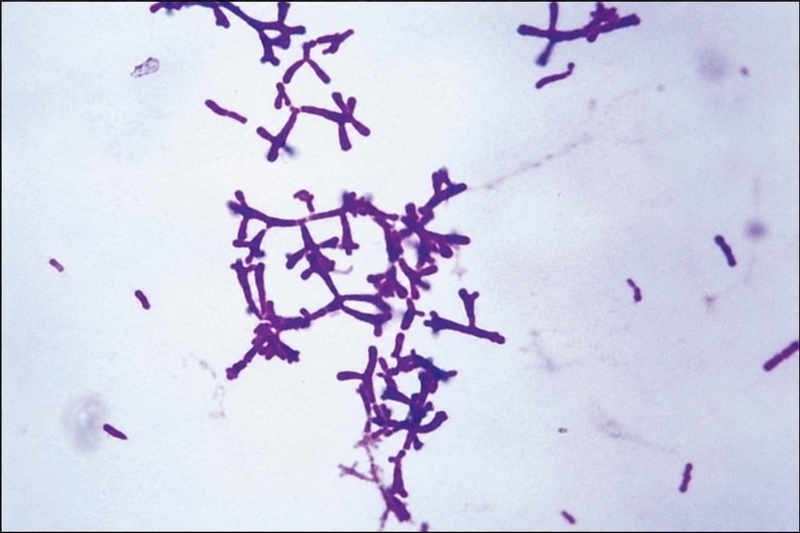
First identified in 1899, _Bifidobacterium adolescentis_ is a versatile Gram-positive bacterium capable of supporting a wide array of human health functions. Driven by an advanced arsenal of carbohydrate-degrading pathways and metabolic genes, it effectively balances host immunity, persisting naturally through adulthood as a prominent gut resident. Health benefits range from producing calming neurotransmitters like GABA to mitigating chronic inflammation and protecting against metabolic diseases like obesity. Accurate identification leverages classic fecal microbiota profiling and modern tools like genomic sequencing to map its distinctive Y-shaped morphology. While optimization typically utilizes targeted [probiotic supplementation](https://www.bugspeaks.com/blog/microbyte-series-bifidobacterium-longum) with high-GABA strains, robust preservation relies heavily on synbiotic dietary integration and microbiome management.
## Histor **y**
Have you ever taken probiotics?
If so, have you ever checked the label to see which kind of bacteria are present within your probiotic capsule?
If you have, you may have noticed that, along with well-known _Lactobacillus_, _Bifidobacterium_ often makes an appearance. Sometimes, it is a part of a blend with other beneficial bacteria, and other times it takes center stage on its own. The many health benefits we gain from _Bifidobacterium_-based probiotics are thanks to the work of Dr. Henry Tissier.
In 1899, pediatrician Henry Tissier was the first to observe a Y- or bifid-shaped microorganism in the faeces of breastfed infants. Due to its unique shape, he named it _Bacillus bifidus communis_. He also noticed that this bacterium was nearly absent in the faeces of infants with diarrhea. Based on these observations, he suggested that supplementing such beneficial bacteria could help restore a healthy gut in infants suffering from diarrhea. The bacterium was later reclassified under the genus [_Bifidobacterium_](https://www.bugspeaks.com/blog/microbyte-series-bifidobacterium-breve) by Danish microbiologist Orla-Jensen in 1924. Ever since, there has been extensive research exploring the role of _Bifidobacterium_ species in promoting infant and adult health.
Recent studies support Dr. Henry Tissier’s findings, revealing that approximately 95% of the gut microbiota in healthy, breastfed infants is composed of _Bifidobacterium_. Although this proportion naturally declines with age, the presence of these bacteria continues to be associated with a wide range of health benefits.
Within the _Bifidobacterium_ genus, _Bifidobacterium adolescentis_ is one species that is found in lower numbers in infants and children compared to other bifidobacterial species. However, it becomes one of the most prominent species in adults, making up approximately 5% of the total fecal bacteria in healthy adults. Interestingly, although its overall abundance may decline with age, _B. adolescentis_ tends to persist longer in the gut in older adults.
**Probiotics:** Live, beneficial microorganisms (often called "good bacteria") that provide documented health advantages when consumed in proper amounts.
**Faeces-** Poop or solid waste material excreted from the body after food has been fully digested and nutrients have been absorbed.
**Species-** A specific group of closely related organisms that share distinct common characteristics and a high degree of genetic similarity.
## Health benefits
_B. adolescentis_, a common adult gut bacterium, plays an important role in maintaining overall health. Being a butyrate producer, it is linked to numerous health benefits. Studies show a correlation of low _B. adolescentis_ with metabolic diseases like obesity and diabetes. One of the rat model studies showed that there was an increase in the number of _B.adolescentis_ after the weight loss, indicating that obesity has a role in regulating the number of _B.adolescentis._ Another study showed that _B. adolescentis_ harboured a metabolic gene responsible for blood-sugar regulation, which might confer anti-diabetic effects. It is one of the major producers of Gamma-aminobutyric acid (GABA), a neurotransmitter responsible for its calming effect. This species reduces pro-inflammatory cytokine levels and recruits beneficial immune cells, thereby mitigating chronic inflammation and enhancing gut barrier integrity. These effects are associated with improved fracture healing, as reduced systemic inflammation and strengthened gut barrier function contribute to better recovery outcomes.
**Butyrate producer-** A specific type of friendly gut bacterium that ferments dietary fibers to create butyrate, a crucial short-chain fatty acid that fuels the gut lining and lowers inflammation.
**Metabolic diseases-** A broad category of health disorders, such as obesity and type 2 diabetes, that disrupt the body's normal biochemical process of converting food into energy.
**Metabolic gene-** A specific segment of DNA that holds the blueprints or instructions for making enzymes involved in breaking down nutrients and managing cellular energy.
**Gamma-aminobutyric acid (GABA)-** A vital chemical messenger produced in the brain and gut that calms the nervous system, helping to reduce anxiety, stress, and fear.
**Neurotransmitter-** A specialized chemical messenger used by the body's nervous system to transmit vital signals and communicate information quickly between nerve cells.
**Pro-inflammatory cytokine-** A signaling protein released by immune cells that acts like a cellular alarm system, triggering swelling and inflammation to fight off perceived threats.
**Chronic inflammation-** A slow, long-term, and harmful immune response in which the body mistakenly keeps releasing inflammatory chemicals, slowly damaging healthy tissues over time.
**Gut barrier integrity-** The structural strength and sealing quality of the intestinal lining, which allows vital nutrients into the bloodstream while locking out harmful toxins and bacteria.
## Applications
The food industry is trying its best to innovatively add the strains of _B. adolescentis_ to various food products. _B. adolescentis,_ along with other probiotics _,_ is added to low-fat synbiotic cream cheese formulated with herbal gums, which is targeted for adult gut health. The high GABA-producing _B. adolescentis_ strains are also used in probiotic milk beverages. Apart from the food industry, pharmaceuticals are also interested in the production of probiotic formulations for better health outcomes. Several studies have suggested _B. adolescentis_ as a possible ‘psychobiotic’ to treat mental health and sleep disorders along with gut health and metabolic syndrome.
**Strains-** Specific genetic sub-types or variants within a single bacterial species, with each strain often possessing its own unique functional traits or health perks.
**Psychobiotic-** A specialized class of friendly bacteria or probiotics that, when consumed in proper amounts, positively influence mental health and emotional well-being through the gut-brain axis.
**Metabolic syndrome-** A dangerous cluster of co-occurring conditions, including high blood pressure, elevated blood sugar, excess abdominal fat, and abnormal cholesterol that spikes the risk of heart disease and stroke.
## Fun Facts
Not all _Bifidobacterium_ are truly "bifid"! Most species in this genus are naturally rod-shaped and only take on a Y-shape (bifid form) under stress. But _Bifidobacterium adolescentis_? It’s naturally bifid!
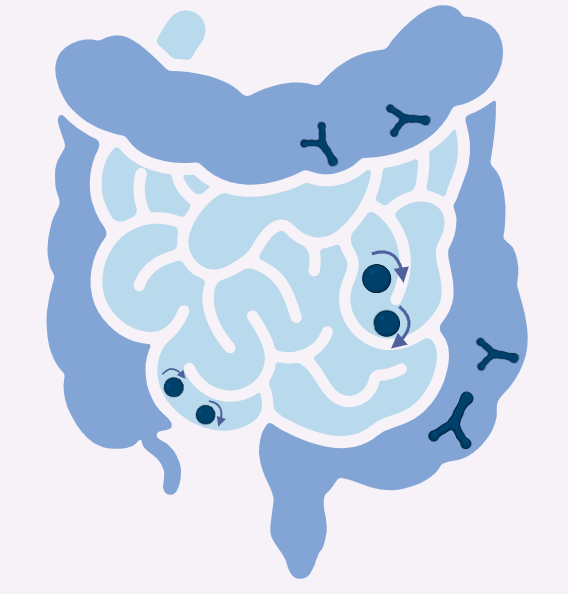
In fact, it can even change its shape based on its environment. When traveling through the small intestine’s higher pH, it transforms into a spherical (coccus) shape to roll along more easily. Once it reaches the colon’s slightly acidic pH, it reverts to its Y-shape to anchor itself effectively.
Do you think _Bifidobacterium adolescentis_ might be the only one truly living up to the name _‘Bifidobacterium’?_!
## Microbe Profile
**Shape:** Branched morphology- Y shape
**Gram nature:** Gram-positive
**Spore formation:** No
**Biofilm formation:** Weak Biofilm former
**Oxygen requirement:** Obligate anaerobe-Thrives in the absence of oxygen
**Optimal temperature:** 37°C
**Optimal pH:** 5.5
**Nutrient usage:** Galactose, Lactose, Galactooligosaccharides
## Taxonomic Classification
**Domain:** Bacteria
**Phylum:** Actinomycetota (or Actinobacteria)
**Class:** _Actinomycetia_
**Order:** _Bifidobacteriales_
**Family:** _Bifidobacteriaceae_,
**Genus:** _Bifidobacterium_
**Species:** _B. adolescentis_
-Khushi C
### Reference
Qian, X., Si, Q., Lin, G., Zhu, M., Lu, J., Zhang, H., Wang, G., & Chen, W. (2022). Bifidobacterium adolescentis Is Effective in Relieving Type 2 Diabetes and May Be Related to Its Dominant Core Genome and Gut Microbiota Modulation Capacity. Nutrients, 14(12), 2479. [https://doi.org/10.3390/nu14122479](https://doi.org/10.3390/nu14122479)
Duranti, S., Ruiz, L., Lugli, G.A. et al. Bifidobacterium adolescentis as a key member of the human gut microbiota in the production of GABA. Sci Rep 10, 14112 (2020). https://doi.org/10.1038/s41598-020-70986-z
Zhang, L., Wang, P., Huang, J., Xing, Y., Wong, F. S., Suo, J., & Wen, L. (2024). Gut microbiota and therapy for obesity and type 2 diabetes. Frontiers in endocrinology, 15, 1333778. [https://doi.org/10.3389/fendo.2024.1333778](https://doi.org/10.3389/fendo.2024.1333778)
Lim, S. M., & Kim, D. H. (2017). Bifidobacterium adolescentis IM38 ameliorates high-fat diet-induced colitis in mice by inhibiting NF-κB activation and lipopolysaccharide production by gut microbiota. Nutrition research (New York, N.Y.), 41, 86–96. [https://doi.org/10.1016/j.nutres.2017.04.003](https://doi.org/10.1016/j.nutres.2017.04.003)
Roberts, J. L., Liu, G., Darby, T. M., Fernandes, L. M., Diaz-Hernandez, M. E., Jones, R. M., & Drissi, H. (2020). Bifidobacterium adolescentis supplementation attenuates fracture-induced systemic sequelae. Biomedicine & pharmacotherapy = Biomedecine & pharmacotherapie, 132, 110831. [https://doi.org/10.1016/j.biopha.2020.110831](https://doi.org/10.1016/j.biopha.2020.110831)
Tamés, H., Sabater, C., Margolles, A., Ruiz, L., & Ruas-Madiedo, P. (2023). Production of GABA in milk fermented by Bifidobacterium adolescentis strains selected on the bases of their technological and gastrointestinal performance. Food research international (Ottawa, Ont.), 171, 113009. [https://doi.org/10.1016/j.foodres.2023.113009](https://doi.org/10.1016/j.foodres.2023.113009)
Shahraki, R., Elhamirad, A. H., Hesari, J., Noghabi, M. S., & Nia, A. P. (2023). A low-fat synbiotic cream cheese containing herbal gums, Bifidobacterium adolescentis and Lactobacillus rhamnosus: Physicochemical, rheological, sensory, and microstructural characterization during storage. Food science & nutrition, 11(12), 8112–8120. [https://doi.org/10.1002/fsn3.3731](https://doi.org/10.1002/fsn3.3731)
Murakami, H., Ko, T., Ouchi, H., Namba, T., Ebihara, S., & Kobayashi, S. (2024). Bifidobacterium adolescentis SBT2786 Improves Sleep Quality in Japanese Adults with Relatively High Levels of Stress: A Randomized, Double-Blind, Placebo-Controlled Study. Nutrients, 16(11), 1702. [https://doi.org/10.3390/nu16111702](https://doi.org/10.3390/nu16111702)
Yunes, R. A., Poluektova, E. U., Vasileva, E. V., Odorskaya, M. V., Marsova, M. V., Kovalev, G. I., & Danilenko, V. N. (2020). A Multi-strain Potential Probiotic Formulation of GABA-Producing Lactobacillus plantarum 90sk and Bifidobacterium adolescentis 150 with Antidepressant Effects. Probiotics and antimicrobial proteins, 12(3), 973–979. [https://doi.org/10.1007/s12602-019-09601-1](https://doi.org/10.1007/s12602-019-09601-1)
Liu, Z., Li, L., Fang, Z., Lee, Y., Zhao, J., Zhang, H., Chen, W., Li, H., & Lu, W. (2021). The biofilm-forming ability of six Bifidobacterium strains on grape seed flour. LWT, 144, 111205. [https://doi.org/10.1016/j.lwt.2021.111205](https://doi.org/10.1016/j.lwt.2021.111205)
Andriantsoanirina, V., Allano, S., Butel, M. J., & Aires, J. (2013). Tolerance of Bifidobacterium human isolates to bile, acid and oxygen. Anaerobe, 21, 39–42. [https://doi.org/10.1016/j.anaerobe.2013.04.005](https://doi.org/10.1016/j.anaerobe.2013.04.005)
Dhanashree, Rajashekharan, S., Krishnaswamy, B., & Kammara, R. (2017). Bifid Shape Is Intrinsic to Bifidobacterium adolescentis. Frontiers in microbiology, 8, 478. [https://doi.org/10.3389/fmicb.2017.00478](https://doi.org/10.3389/fmicb.2017.00478)
Amaretti, A., Bernardi, T., Tamburini, E., Zanoni, S., Lomma, M., Matteuzzi, D., & Rossi, M. (2007). Kinetics and metabolism of Bifidobacterium adolescentis MB 239 growing on glucose, galactose, lactose, and galactooligosaccharides. Applied and environmental microbiology, 73(11), 3637–3644. [https://doi.org/10.1128/AEM.02914-0](https://doi.org/10.1128/AEM.02914-06)
## FAQs
Q: How does the abundance of Bifidobacterium adolescentis uniquely change as a human host ages?
A: Unlike other family strains that dominate infancy, this species is found in lower numbers in children but becomes a primary adult resident. It makes up about 5% of adult fecal bacteria and remarkably tends to persist even longer into old age.
Q: What clinical connection does Bifidobacterium adolescentis have with metabolic conditions like obesity and diabetes?
A: Low levels of this bacterium directly correlate with obesity, and its numbers naturally bounce back following significant weight loss. It also carries a specific metabolic gene that regulates blood sugar, offering key anti-diabetic protection.
Q: Why are researchers evaluating Bifidobacterium adolescentis as a potential "psychobiotic" for mental health?
A: This specific species acts as a major manufacturer of gamma-aminobutyric acid (GABA), a vital calming neurotransmitter in the body. Because it safely influences emotional well-being via the gut-brain axis, it is being targeted to treat sleep and mood disorders.
Q: How is the modern food industry currently incorporating specific strains of B. adolescentis into retail products?
A: Manufacturers innovatively enrich high-GABA strains into functional milk beverages and formulate them into low-fat synbiotic cream cheeses mixed with herbal gums. These specialized culinary applications are specifically designed to optimize adult digestive health and metabolic balance.
Q: What fascinating structural trick allows B. adolescentis to adapt as it travels through different parts of the gut?
A: It is naturally Y-shaped but temporarily morphs into a spherical shape to roll smoothly through the small intestine's higher pH. Once it reaches the colon's acidic environment, it reverts to its classic bifid shape to anchor securely.
---
This blog is powered by Superblog. Visit https://superblog.ai to know more.
---