How Can Microbes Flush Out Toxins from Your Body?
Introduction
When we think about detoxification, the liver usually gets all the credit. While the liver is undeniably central to detox processes, modern research clearly shows that it does not work alone. A powerful and often overlooked detox partner lives much closer than we imagine—the trillions of microbes residing in our gut.
These microorganisms living in our gut together called the gut microbiome are anything but passive .They don’t just sit there ;they actively engage with harmful substance that enter our body every day–from toxins produced by pathogens to residues of pesticides, chemical ,heavy metals, and even tiny plastics particles ,our gut microbes work behind the scene to protect us .They help by binding to these toxins, transforming them into less harmful forms ,and supporting the body’s natural detox and elimination processes. In this way ,the gut microbiome acts like a built-in defence system ,helping reduce the overall toxin burden on the body .
Understanding Toxins and Chemical Exposure
In scientific terms, a toxin is any substance that can cause harm when it accumulates in the body. These substances may be naturally occurring or man-made and include:
Environmental pollutants
Pesticides and food contaminants
Heavy metals such as lead, mercury, and cadmium
Industrial chemicals and plastic-derived compounds (including microplastics)
Pathogen-derived toxins
Exposure to these substances can occur through everyday activities such as eating food, drinking water, breathing polluted air, and using consumer products. While the body can efficiently process and eliminate many of these compounds, some are resistant to breakdown and may persist in the body for long periods, potentially increasing the risk of chronic health conditions.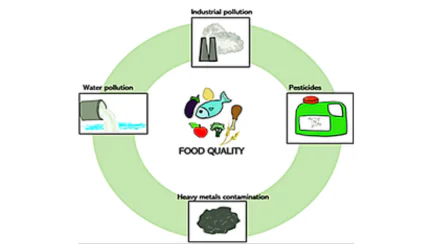
The gut microbiome: An overlooked detox partner
The gut microbiome consists of trillions of microorganisms—primarily bacteria, but also fungi, viruses, and archaea—that reside in the digestive tract.
The gut microbiota are uniquely positioned to interact with potentially harmful compounds before they enter systemic circulation, as the gut represents the body’s largest interface with the external environment. Scientific literature shows that gut microorganisms interact with xenobiotics, a term used to describe foreign chemicals that are not naturally produced by the body, thereby influencing whether these molecules are absorbed into the bloodstream or eliminated from the body. Mechanisms by which gut microbes support detoxification includes:
Binding and Sequestration of Toxins
Toxic substances can be physically bonded to the cell walls of some gut bacteria. Once bonded, these chemicals are less likely to penetrate the intestinal barrier and enter the bloodstream. Instead, they are expelled from the body through stool.
Numerous environmental pollutants, such as chemical residues and heavy metals, have been shown to exhibit this mechanism. Toxins are trapped by beneficial bacteria like Lactobacillus and Bifidobacterium using cell wall components including peptidoglycans and polysaccharides, which lowers the toxins bioavailability.
Microbial Biotransformation of Chemical Compounds
Gut microbes possess a wide range of enzymes capable of chemically modifying toxins—a process known as biotransformation. These enzymes (including azoreductases, nitroreductases, glucuronidases, and sulfatases) can reduce toxicity, increase water solubility, or prepare compounds for excretion via bile or urine.
Persistent organic pollutants, including certain pesticides, can be transformed by gut microbes into derivatives that are more easily eliminated. This microbial metabolism directly influences how long toxins remain in the body and how harmful they become.
Strengthening the Gut Barrier
A healthy microbiome supports the integrity of the intestinal lining. When this barrier is strong, it limits the passage of harmful substances into the bloodstream. Conversely, microbial imbalances (dysbiosis) can increase gut permeability, allowing more toxins to enter circulation. By maintaining gut barrier integrity, microbes indirectly but critically enhance detoxification efficiency.
Supporting Detoxification Through the Gut–Liver Axis
The gut and liver are closely connected via the portal vein, which transports nutrients, microbial metabolites, and toxins directly from the intestine to the liver. Balanced gut microbes reduce the toxin load reaching the liver, regulate bile acid metabolism, and prevent excessive inflammatory signalling. Studies show that when the microbiome is disrupted, liver detox pathways become less efficient, increasing the risk of metabolic and inflammatory liver disorders.
Production of Short-Chain Fatty Acids (SCFAs)
Short-chain fatty acids—such as butyrate, acetate, and propionate—are produced when gut microbes ferment dietary fiber. These compounds:
Strengthen the intestinal barrier
Reduce inflammation caused by toxic exposure
Support liver enzyme activity
Improve overall metabolic resilience
Butyrate, in particular, plays a key role in preventing toxins from entering circulation by maintaining gut lining integrity.
Preventing Toxin Reabsorption (Enterohepatic Circulation)
Some toxins are excreted into bile but can be reabsorbed in the intestine and returned to the liver through a process called enterohepatic circulation. Certain gut microbes regulate enzymes such as β-glucuronidase, preventing toxins and excess hormones from being reactivated and reabsorbed. A balanced microbiome helps ensure toxins are excreted efficiently.
What are PFAS and Why are they a Concern?
PFAS (Per- and Polyfluoroalkyl Substances) are a large group of synthetic chemicals widely used for their heat-resistant, water-repellent, and non-stick properties. Common sources include:
Non-stick cookware
Food packaging materials
Waterproof and stain-resistant fabrics
Cosmetics and personal care products
Firefighting foams
PFAS are often referred to as forever chemicals because they are extremely stable and do not readily degrade in the environment or in the human body. Scientific studies have linked PFAS exposure to hormonal disruption, immune dysfunction, metabolic change, and increased risk of certain cancers. Because these compounds are difficult to break down, understanding how the body absorbs, stores, and eliminates PFAS has become a major public concern.
Emerging Evidence: Gut microbes and PFAS Elimination
Recent research in laboratory and on animals has revealed gut bacterial species like Bacteroides caccae, Bacteroides clarus, Bacteroides dorei, Bacteroides stercoris, Bacteroides thetaiotaomicron, Bacteroides uniformis, Odoribacter splanchnicus, Parabacteroides distasonis and Parabacteroides merdae might have the ability to absorb PFAS chemicals. In particular, Bacteroides uniformis showed the highest PFAS accumulating activity.
It is speculated that this process of bioaccumulation by gut bacteria, where they trap the chemicals within their cells and then expel them through faeces might be reduce the chemical exposure and absorption by human cells, however, the researchers did not comment on the health benefits of bioaccumulation of PFAS by gut bacteria.
Even though there are still few human investigations, these results mark a significant advancement in our knowledge of potential biological management strategies for persistent environmental contaminants.
What happens when gut microbes are imbalanced?
When the microbiome is disrupted due to poor diet, antibiotic use, stress, or environmental exposure:
Toxins are absorbed more easily
Liver detox pathways become overloaded
Systemic inflammation increases
Symptoms such as fatigue, bloating, skin issues, headaches, and hormonal imbalance may occur.
This condition, known as dysbiosis, significantly reduces the body’s natural detoxification capacity.
How diet supports microbes- driven detoxification
The liver is not the only organ in charge of detoxification. The gut microbiota supports the body by binding, converting, and eliminating poisons. What we consume has a direct impact on how well these microorganisms function.
Fiber-rich diets support gut bacteria and short-chain fatty acid synthesis, strengthening the gut barrier and reducing toxin absorption.
Fermented meals promote the growth of healthy microorganisms that help eliminate environmental pollutants through faeces.
Polyphenol-rich plant meals promote microbial detoxification and minimize inflammation from toxic exposure.
Consuming ultra-processed and chemically contaminated foods can disturb gut bacteria balance and increase the body's toxic burden.
Conclusion
The gut microbiota is becoming recognized as an important component of the body's detoxification process. Scientific data suggests that gut bacteria can bind toxins, chemically alter toxic substances, strengthen the gut barrier, regulate liver detox pathways, and aid in immune clearance.
While research is ongoing, particularly in areas such as PFAS and micro plastic exposure, maintaining a healthy gut microbiota through evidence-based dietary and lifestyle choices is a realistic and scientifically sound strategy to support the body's natural detoxification mechanisms.
Detoxification is neither a trend nor a short-term intervention. It is a continuous collaboration between the body and its bacteria, operating silently, efficiently, and every day to protect long-term health.
-Nishmitha
Also Read: Environmental Effects on Microbes and Consequences of Gut Health
References
Claus, S. P., Guillou, H., & Ellero-Simatos, S. (2016). The gut microbiota: A major player in the toxicity of environmental pollutants? NPJ Biofilms and Microbiomes, 2(1), 16003. https://doi.org/10.1038/npjbiofilms.2016.3
Dai, Y., Liu, S., Li, J., et al. (2024). Interactions between gut microbiota and environmental pollutants: Implications for human health. Current Opinion in Toxicology, 38, 100463. https://doi.org/10.1016/j.cotox.2024.100463
Kumar, R., Sharma, A., & Verma, S. (2022). Role of gut microbiota in detoxification of xenobiotics and heavy metals. International Journal of Chemical Studies, 10(2), 1276–1284. https://rjpn.org/ijcspub/papers/IJCSP22B1276.pdf
Li, H., Wang, J., Wu, L., et al. (2022). Gut microbiota and heavy metal detoxification: Mechanisms and therapeutic potential. Frontiers in Microbiology, 13, 865375. https://doi.org/10.3389/fmicb.2022.865375
Zhang, Q., Zhao, Y., Du, Y., et al. (2024). Microplastics exposure alters gut microbiota and disrupts intestinal barrier function. Frontiers in Environmental Science, 12, 11635378. https://doi.org/10.3389/fenvs.2024.11635378
Claus, S. P., Guillou, H., & Ellero-Simatos, S. (2016). The gut microbiota: A major player in the toxicity of environmental pollutants? NPJ Biofilms and Microbiomes, 2(1), Article 16003. https://doi.org/10.1038/npjbiofilms.2016.3
Dai, Y., Liu, S., Li, J., Zhang, Y., & Wang, Y. (2024). Interactions between gut microbiota and environmental pollutants: Implications for human health. Current Opinion in Toxicology, 38, 100463. https://doi.org/10.1016/j.cotox.2024.100463
Frontiero, L. (n.d.). Full body detox: Why gut testing should be your first step. https://laurafrontiero.com/full-body-detox-why-gut-testing-should-be-your-first-step/
Kumar, R., Sharma, A., & Verma, S. (2022). Role of gut microbiota in detoxification of xenobiotics and heavy metals. International Journal of Chemical Studies, 10(2), 1276–1284. https://rjpn.org/ijcspub/papers/IJCSP22B1276.pdf
Li, H., Wang, J., Wu, L., Zhang, Y., & Chen, D. (2022). Gut microbiota and heavy metal detoxification: Mechanisms and therapeutic potential. Frontiers in Microbiology, 13, 865375. https://doi.org/10.3389/fmicb.2022.865375
National Institutes of Health. (2022). Gut microbiota-mediated detoxification of environmental chemicals. Frontiers in Environmental Science. https://pmc.ncbi.nlm.nih.gov/articles/PMC9265996/
UK Research and Innovation. (2023). Gut bacteria can remove PFAS “forever chemicals” from our body. https://www.ukri.org/news/gut-bacteria-can-remove-pfas-forever-chemicals-from-our-body/
eCancer. (2024). Gut microbes could protect us from toxic “forever chemicals”. https://ecancer.org/en/news/26680-gut-microbes-could-protect-us-from-toxic-forever-chemicals
Zhang, Q., Zhao, Y., Du, Y., Liu, Y., & Chen, L. (2024). Microplastics exposure alters gut microbiota and disrupts intestinal barrier function. Frontiers in Environmental Science, 12, Article 11635378. https://pmc.ncbi.nlm.nih.gov/articles/PMC11635378/
Zymo Research. (n.d.). Microbes in detoxification. https://zymoresearch.eu/blogs/blog/microbes-in-detoxification
Caioni, G., Cimini, A., & Benedetti, E. (2022). Food contamination: An unexplored possible link between dietary habits and Parkinson’s disease. Nutrients, 14(7), 1467. https://doi.org/10.3390/nu14071467.