Holobiome is a blog series that offers an AI-assisted summary of the latest research articles on human microbiome.

The Gut–Muscle Axis: How Synbiotics May Boost Athletic Strength
Elite athletic performance is usually associated with intense training, nutrition strategies, and recovery protocols—but an emerging area of research suggests another contributor may be quietly influencing performance: the gut microbiome. In this study, researchers explored whether synbiotic supplementation—a combination of probiotics and omega-3 fatty acids—could influence muscle strength and training outcomes in elite swimmers. The work is grounded in the growing concept of the gut–muscle axis, a biological pathway linking gut microbes to muscle metabolism, inflammation, and physical performance.
During a period of race-pace training, athletes received a synbiotic intervention containing probiotic strains alongside omega-3 fatty acids. Synbiotics aim to support beneficial microbes while also providing nutrients that can enhance their metabolic activity. From a microbiome perspective, probiotics can influence the balance of intestinal bacteria involved in fermentation and metabolite production. These microbes generate compounds such as short-chain fatty acids (SCFAs), which help regulate inflammation, improve mitochondrial efficiency, and support energy metabolism—factors that are highly relevant for athletes undergoing intense training loads.
The study found that swimmers receiving the synbiotic intervention showed improvements in upper-body muscle strength compared with controls. While performance outcomes can be influenced by multiple physiological factors, the results support the idea that microbiome modulation may contribute indirectly to athletic performance. By enhancing microbial balance and reducing exercise-induced inflammation, probiotics and omega-3 fatty acids may help maintain gut barrier integrity and optimize nutrient absorption during demanding training periods.
For science-curious readers, the findings highlight how the gut microbiome may extend its influence far beyond digestion. The microbes living in our intestines interact with metabolic pathways, immune responses, and energy systems that are critical for physical performance. Although more research is needed to clarify the exact microbial mechanisms, this study adds to growing evidence that supporting the gut ecosystem—through synbiotics and targeted nutrition—may help athletes optimize recovery, resilience, and muscle function during high-intensity training.
Pain Relief and the Microbiome: How Physical Therapy May Shape the Gut
Knee pain is typically treated with physical therapy aimed at improving joint mobility, muscle strength, and overall function. But emerging research suggests that the benefits of such interventions might extend beyond the musculoskeletal system. In this secondary analysis of a randomized controlled trial, researchers explored an unexpected possibility: whether improvements in knee pain through physical therapy could also be linked to changes in the gut microbiome. The idea stems from growing evidence that physical activity and systemic inflammation—both central to chronic pain—can influence the microbial communities living in the gut.
Participants in the original trial underwent structured physical therapy for knee pain, while stool samples collected during the study allowed researchers to analyze shifts in gut microbial composition. The analysis revealed that improvements in knee pain were accompanied by detectable changes in gut microbial profiles. In particular, certain bacterial taxa associated with metabolic health and anti-inflammatory activity showed alterations in their relative abundance. These shifts suggest that physical therapy—through increased movement, improved metabolism, or reduced inflammation—may indirectly shape the gut microbial ecosystem.
One possible explanation lies in the inflammation–microbiome connection. Chronic pain conditions are often accompanied by low-grade systemic inflammation, which can influence gut barrier integrity and microbial balance. As physical therapy reduces pain and improves mobility, it may also decrease inflammatory signaling and promote physiological conditions that favor beneficial microbes. Additionally, increased activity can influence gut motility, circulation, and metabolic regulation, all of which help shape microbial communities.
For science-curious readers, this study offers an intriguing glimpse into how interventions aimed at one part of the body may ripple through other biological systems. Treating joint pain might not just restore movement—it could also reshape the microbial environment in the gut. While more research is needed to clarify cause and effect, the findings reinforce a broader message emerging in microbiome science: the gut ecosystem is deeply connected to overall physiology, responding not only to diet and medication but also to changes in physical health and activity.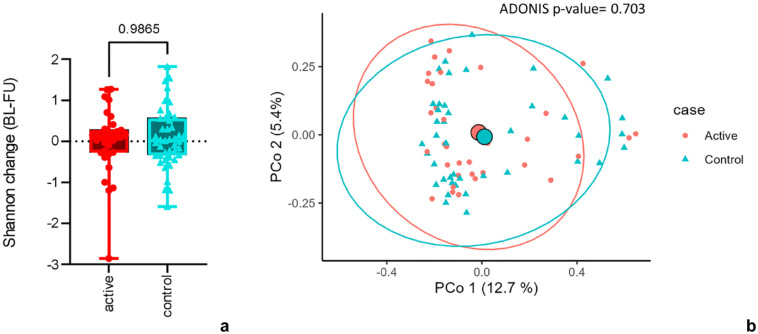
Microalgae Meets the Microbiome: A New Approach to Atopic Dermatitis
Atopic dermatitis (AD) is more than just dry, inflamed skin—it is also closely linked to disruptions in the skin microbiome. In healthy skin, a diverse community of microbes helps maintain barrier integrity and immune balance. In AD, however, this microbial ecosystem often becomes dominated by opportunistic bacteria such as Staphylococcus aureus, while beneficial microbial diversity declines. This proof-of-concept study explored whether a topical gel containing Spiralin®, a defined extract derived from microalgae, could help restore balance to the skin microbiome and improve clinical symptoms in people with atopic dermatitis.
The researchers conducted a double-blind, intraindividual vehicle-controlled study, meaning that each participant applied the Spiralin® gel to one affected skin area while a control gel was applied to another comparable area. This design allowed the team to directly compare how the treatment influenced both clinical disease activity and microbial composition on the skin. Microbiome analysis revealed that areas treated with Spiralin® showed shifts in microbial populations, including reductions in bacteria associated with inflammatory flares and improvements in overall microbial balance.
One of the most important targets in AD microbiome research is Staphylococcus aureus, a bacterium that often expands during eczema flare-ups and contributes to inflammation, barrier damage, and itch. The Spiralin® formulation appeared to help suppress the dominance of this microbe while allowing a broader range of skin-associated bacteria to re-establish themselves. By supporting microbial diversity and reducing the prevalence of potentially harmful bacteria, the treatment may help stabilize the skin’s ecological environment.
For science-curious readers, this study highlights an exciting direction in dermatology: treating skin diseases not only by suppressing inflammation but also by modulating the skin microbiome. Marine-derived bioactive compounds like microalgae extracts may provide antimicrobial and barrier-supporting effects that encourage a healthier microbial balance. Although larger studies are needed, the results suggest that microbiome-aware skincare could become an important complementary strategy in managing atopic dermatitis.
Fortified Biscuits and the Microbiome: Tackling Vitamin A Deficiency
Vitamin A deficiency remains a significant public health challenge in many parts of the world, particularly among children in low-resource settings. Beyond its well-known role in vision and immune function, vitamin A also influences gut health and microbial balance. In this randomized controlled trial, researchers investigated whether biscuits fortified with red palm olein, a natural source of provitamin A carotenoids, could improve vitamin A status while also influencing the gut microbiota of rural Malaysian schoolchildren who were deficient in the nutrient.
Participants received the fortified biscuits over the course of the intervention, and stool samples were analyzed to assess changes in gut microbial composition. Red palm olein is rich in carotenoids and other bioactive compounds that can interact with intestinal physiology and microbial metabolism. As the children consumed the fortified biscuits, researchers observed shifts in the relative abundance of several microbial groups within the gut ecosystem. Some bacteria associated with carbohydrate fermentation and gut metabolic activity showed increases, suggesting that the intervention may have indirectly supported microbes involved in nutrient processing and gut homeostasis.
These microbial changes are particularly relevant because the gut microbiota plays an important role in nutrient absorption and immune development—both critical factors during childhood. Improvements in vitamin A intake can strengthen the intestinal barrier and support mucosal immunity, which in turn may influence which microbial species thrive in the gut. By improving nutritional status, the fortified biscuits may help create a gut environment that favors a healthier microbial balance.
For science-curious readers, this study highlights how nutrition interventions can shape the microbiome alongside addressing micronutrient deficiencies. Foods designed to combat nutrient shortages may also have unintended—but potentially beneficial—effects on the microbial ecosystems that support digestion and immunity. In the long term, integrating microbiome insights into nutritional programs could help optimize strategies aimed at improving child health in vulnerable populations.