Holobiome is a blog series that offers an AI-assisted summary of the latest research articles on human microbiome.
The Psychobiotic Potential of Weizmannia coagulans BC99
Mental health and the gut microbiome are increasingly understood to be deeply interconnected through what scientists call the gut–brain axis. In this pilot clinical study, researchers explored whether supplementation with the probiotic Weizmannia coagulans BC99 could influence symptoms of anxiety and depression—and whether any improvements might be linked to changes in the gut microbial ecosystem. Over an eight-week period, participants received the probiotic while researchers monitored psychological outcomes alongside shifts in gut microbiota composition.
The results suggested that the probiotic may help nudge the gut ecosystem toward a more balanced state. Participants showed improvements in self-reported anxiety and depressive symptoms, accompanied by measurable changes in the relative abundance of several microbial groups. In particular, bacteria associated with beneficial metabolic activity and gut barrier support increased, while taxa linked to inflammatory or dysbiotic states declined. These shifts hint at a broader reorganization of the intestinal microbial community rather than a simple rise in a single probiotic strain.
One key mechanism may involve microbial metabolites. Beneficial gut bacteria produce compounds such as short-chain fatty acids (SCFAs), neurotransmitter precursors, and other signaling molecules that can influence immune activity and neural pathways. By promoting a microbial environment more capable of generating these metabolites, Weizmannia coagulans BC99 may indirectly support communication between the gut and the brain. This interaction can affect stress hormone regulation, inflammatory signaling, and neurotransmitter balance—all processes closely tied to mood and emotional regulation.
While the study is preliminary and involves a relatively small sample size, it adds to growing evidence that targeted probiotics may help influence mental well-being through microbiome modulation. Rather than acting directly on the brain like traditional medications, psychobiotic approaches aim to shift the microbial networks that shape gut–brain communication. For science-curious readers, the findings offer a glimpse of a future where supporting mental health might involve not only therapy or pharmaceuticals, but also carefully designed microbial interventions.
The Gut–Skin Axis in Action: Bifidobacterium breve and Facial Skin Health
The idea that gut microbes can influence the skin might once have sounded surprising, but research on the gut–skin axisis steadily revealing just how interconnected these systems are. In this randomized, double-blind, placebo-controlled study, researchers investigated whether consuming the probiotic Bifidobacterium breve could influence facial skin health in women. While probiotics are often studied for digestive benefits, this trial explored a different angle: whether shifting the gut microbiome might translate into visible changes in the skin.
Participants consumed Bifidobacterium breve daily over the study period while researchers assessed facial skin using imaging techniques alongside microbial and physiological analyses. From a microbiome perspective, B. breve is known for its ability to interact with intestinal immune pathways, strengthen gut barrier function, and influence microbial balance. These functions can have downstream effects on systemic inflammation—an important factor in skin health. When the gut barrier becomes more resilient and inflammatory signaling decreases, the skin environment may also become more stable.
The results suggested that probiotic intake was associated with improvements in certain skin parameters, including aspects of skin texture and hydration. Although the probiotic itself primarily acts within the gut, its presence may help reshape microbial interactions and metabolic activity in the intestinal ecosystem. Beneficial bacteria like Bifidobacteriumcan produce metabolites and signaling molecules that influence immune responses and oxidative stress levels, both of which play key roles in maintaining healthy skin.
This study adds to a growing body of evidence suggesting that skin health is not only determined by topical treatments but also by internal microbial ecosystems. By supporting beneficial gut bacteria, probiotics like Bifidobacterium breve may help regulate systemic pathways that affect the skin’s barrier, hydration, and overall appearance. While further research will clarify the exact microbial mechanisms involved, the findings reinforce an intriguing possibility: caring for the gut microbiome may also be a pathway to healthier, more resilient skin.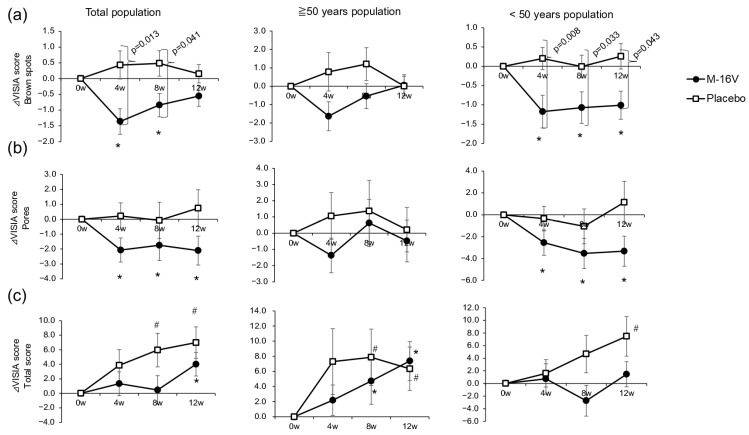
Washing, Moisturizing, and Microbes: A Look at the Skin Ecosystem
Our skin is home to a vibrant microbial ecosystem—bacteria, fungi, and other microscopic residents that help protect the skin barrier and interact closely with our immune system. Yet everyday routines like washing and moisturizing can subtly reshape this microbial landscape. In this exploratory randomized crossover trial, researchers examined how two different basic skincare regimens influence the skin microbiota of both children and adults. By comparing microbial communities before and after each regimen, the study aimed to understand whether simple skincare habits can alter the delicate balance of microorganisms living on the skin.
Participants followed two separate skincare routines that varied in cleansing and moisturizing practices. Skin samples were collected at multiple time points to track shifts in microbial composition and diversity. From a microbiome perspective, the researchers were particularly interested in how common skin-associated bacteria—such as Staphylococcus, Corynebacterium, and Cutibacterium—responded to these routine interventions. These microbes are key players in the skin ecosystem: some help maintain the skin’s slightly acidic environment, others contribute to antimicrobial defenses, and many participate in regulating immune signaling at the skin surface.
The findings suggested that basic skincare practices can indeed influence the structure of the skin microbiome, though the changes were generally modest and reversible. Cleansing and moisturizing altered the relative abundance of certain bacterial groups and temporarily shifted microbial diversity. Importantly, these shifts did not appear to destabilize the overall microbial ecosystem; instead, the skin microbiota demonstrated a degree of resilience, gradually returning toward its baseline composition over time. Differences between children and adults also emerged, reflecting the fact that age, skin physiology, and hormone levels shape the microbial communities that inhabit our skin.
For microbiome researchers and skincare enthusiasts alike, the study highlights an important takeaway: everyday skincare routines are not just cosmetic habits—they are ecological interventions. Even gentle products can subtly influence which microbes thrive on our skin. Understanding these interactions may help guide the development of skincare strategies that support both the skin barrier and its resident microbial community.
Berries, Bacteria, and the Brain: Anthocyanins Meet the Gut Microbiome
The gut microbiome is increasingly recognized as a key player in brain health, influencing inflammation, metabolism, and even cognitive function through the gut–brain axis. In this randomized placebo-controlled trial, researchers explored whether anthocyanin supplementation—the colorful plant compounds responsible for the deep reds, blues, and purples in berries—could reshape the gut microbiota of individuals at risk for cognitive decline. What makes this study particularly intriguing is its focus on enterotypes, the broad microbial community patterns that characterize different individuals’ gut ecosystems, and how these baseline microbial profiles may influence responses to dietary interventions.
Participants received anthocyanin supplements while researchers tracked changes in their gut microbiota composition. Anthocyanins are not fully absorbed in the upper digestive tract; instead, they travel to the colon where they interact directly with gut microbes. Certain bacteria can break down these polyphenols into smaller bioactive metabolites, which can then enter circulation and potentially influence inflammation and neurological pathways. The study found that microbial responses to anthocyanin supplementation varied depending on both baseline enterotype and body mass index (BMI), suggesting that the starting microbial landscape plays a crucial role in determining how the gut ecosystem responds.
Some bacterial groups associated with polyphenol metabolism and beneficial metabolic activity showed shifts following supplementation, indicating that anthocyanins may selectively nourish or stimulate microbes capable of transforming these compounds. These microbial transformations are important because the metabolites produced during polyphenol breakdown can affect immune signaling, oxidative stress, and vascular function—factors closely linked to cognitive health.
For science-curious readers, the study underscores a key principle emerging in microbiome research: personalized nutrition may depend on the microbiome itself. The same dietary compound—in this case anthocyanins—may produce different microbial responses depending on a person’s existing gut community and metabolic state. As researchers continue to unravel these interactions, foods rich in polyphenols may become part of tailored strategies aimed at supporting both gut and brain health.
Binge Drinking and the Gut–Brain Axis: Can Prebiotics Help?
Binge drinking is often discussed in terms of liver damage or short-term cognitive effects, but researchers are increasingly interested in another hidden target: the gut microbiome. Alcohol consumption can disrupt the intestinal barrier, alter microbial balance, and influence inflammatory pathways that extend far beyond the digestive tract. This study protocol outlines a randomized controlled trial designed to explore how binge drinking affects the gut–brain axis in young adults—and whether a prebiotic intervention might help counteract some of these changes.
The study will examine how patterns of episodic heavy alcohol intake influence the composition and function of the gut microbiota. Previous research suggests that alcohol exposure can reduce beneficial bacteria while promoting microbial groups associated with inflammation and metabolic stress. These changes may weaken the intestinal barrier, allowing microbial components such as endotoxins to enter circulation and trigger systemic immune responses. Such processes are increasingly linked to changes in mood, cognition, and neural signaling, highlighting how the gut ecosystem can influence brain function.
To investigate whether these effects can be mitigated, the trial includes a prebiotic supplementation phase. Prebiotics are specialized fibers that serve as fuel for beneficial gut microbes, particularly those that produce short-chain fatty acids (SCFAs) like butyrate and propionate. These metabolites play a critical role in maintaining gut barrier integrity, regulating immune signaling, and supporting communication along the gut–brain axis. By enriching SCFA-producing bacteria, the researchers hope to determine whether prebiotics can stabilize the microbial ecosystem and buffer some of alcohol’s disruptive effects.
Although the trial is still in its protocol phase, its design reflects a growing shift in how scientists understand alcohol’s impact on the body. Rather than focusing solely on direct effects on organs like the liver or brain, researchers are beginning to view alcohol as a microbiome disruptor that may indirectly influence mental and neurological health. If successful, the study could open the door to microbiome-targeted strategies—such as dietary fibers or psychobiotic interventions—to help protect the gut–brain axis in populations exposed to episodic heavy drinking.