# Diet for Healthy Skin: Nourish Your Skin from Within
Author: BugSpeaks
Author URL: https://www.bugspeaks.com/blog/author/bugspeaks
Published: 2026-02-16
Category: skin health
Category URL: https://www.bugspeaks.com/blog/category/skin-health
Meta Title: The Role of Nutrition and Diet in Achieving Healthy Radiant Glowing Skin Naturally
Meta Description: This blog explains how nutrition and diet influence healthy, radiant skin through vitamins, minerals, antioxidants, healthy fats, and the gut–skin axis. Learn the scientific connection between dietary patterns, inflammation, collagen synthesis, and skin barrier function, with evidence-based food examples supporting long-term skin health.
Tags: gut-skin axis, Skin Health
Tag URLs: gut-skin axis (https://www.bugspeaks.com/blog/tag/gut-skin-axis), Skin Health (https://www.bugspeaks.com/blog/tag/skin-health)
URL: https://www.bugspeaks.com/blog/diet-for-healthy-skin-nourish-your-skin-from-within
## Introduction
Healthy skin is not solely the result of topical skincare products or cosmetic treatments but is profoundly influenced by internal nutrition and metabolic health. The skin is the largest organ of the human body and functions as a physical barrier, immune defense system, and sensory interface. Nutritional inadequacies can disrupt skin barrier integrity, delay wound healing, and accelerate intrinsic and extrinsic aging processes. Long-term dietary patterns play a decisive role in determining skin texture, hydration, elasticity, and overall appearance. A healthy diet consisting of fibers, complex carbohydrates, proteins and healthy fats is associated with improved skin health via the gut-skin axis.
## Understanding the Connection Between Diet and Skin Health
Diet influences skin health through its effects on cellular turnover, collagen synthesis, lipid composition, and inflammatory pathways. Essential nutrients act as cofactors for enzymatic reactions required for keratinocyte differentiation and fibroblast activity. Diets high in refined carbohydrates (white bread, sugary beverages, pastries) and unhealthy fats (trans fats and repeatedly heated oils) increase oxidative stress and systemic inflammation, negatively affecting skin physiology.
In contrast, nutrient-dense dietary patterns rich in whole foods such as lentils, leafy greens, nuts, seeds, and seasonal fruits support optimal skin function and delay visible signs of aging .
For instance, replacing refined snacks with mixed berries and walnuts provides antioxidants and omega-3 fatty acids that support collagen stability and reduce inflammatory stress.
## Role of Nutrients in Skin Repair
Skin repair is a continuous biological process involving epidermal regeneration, collagen remodeling, and extracellular matrix maintenance.
**Vitamin A** regulates epidermal proliferation and differentiation. Food sources include carrots, sweet potatoes, spinach, and pumpkin.
**Vitamin C** is essential for collagen synthesis, acting as a cofactor for prolyl and lysyl hydroxylase enzymes involved in collagen stabilization. Rich sources include amla, guava, citrus fruits, bell peppers, and strawberries. Inadequate vitamin C intake has been linked to reduced collagen cross-linking, leading to fragile skin and delayed wound healing.
**Zinc** supports DNA synthesis, immune modulation, and wound healing. It is found in pumpkin seeds, chickpeas, lentils, and nuts.
Deficiencies in these nutrients impair skin recovery following injury and increase vulnerability to environmental stressors such as ultraviolet radiation and pollution. Adequate intake ensures efficient renewal and structural stability .
## The Gut–Skin Axis
The gut–skin axis describes the bidirectional communication between the gastrointestinal tract, immune system, and skin. Dysbiosis (microbial imbalance) can increase intestinal permeability, allowing inflammatory mediators such as lipopolysaccharides to enter systemic circulation. This chronic low-grade inflammation is associated with acne, rosacea, eczema, and psoriasis .
Dietary patterns rich in fiber (oats, whole wheat, millets, legumes), fermented foods (curd, kefir), and polyphenol-rich foods (green tea, berries) promote microbial diversity and reduce systemic inflammation.
Increasing dietary fiber intake to approximately 25–30 g per day through whole grains and legumes may improve gut microbiota composition, indirectly enhancing skin clarity and reducing inflammatory skin conditions.
![Figure 1 There is emerging evidence linking dermatological disorders to alterations in gut bacteria. Studies hypothesize intestinal flora produce neurotransmitters in response to stress that can modulate skin function. These neurotransmitters cross the intestinal epithelium enter the bloodstream and induce systemic effects. Along with neurotransmitters, the gut microflora also release short chain fatty acids (SCFAs), which can also enter systemic circulation and affect the skin. Additionally, diet may influence inflammation in the skin though nutrient signalling and release of long chain fatty acids, leading to excessive stimulation of sterol regulatory element-binding protein 1 and increased synthesis of fatty acids and triglycerides promoting Propionibacterium acnes overgrowth. Vaughn AR, Notay M, Clark AK, Sivamani RK. Skin-gut axis: The relationship between intestinal bacteria and skin health. World J Dermatol 2017; 6(4): 52-58 [DOI: 10.5314/wjd.v6.i4.52]](https://prod.superblogcdn.com/site_cuid_cm7q7d3g20031nw4gwo5ye7m5/images/image-cp-1771218326950-compressed.png)
There is emerging evidence linking dermatological disorders to alterations in gut bacteria. [Studies](https://www.wjgnet.com/2218-6190/full/v6/i4/52.htm?appgw_azwaf_jsc=IsMtJqLfxPQJHAaAuq5zkb-nvJfWUvrFRCd4fTgfIIuohqsy4084iWwpGUgwF5EypMnpH4lbsnoAv3VcAvx_ZwVOQOMxl8_TDLPXnWOHLiksP08tJ_2dl7Twwwv4_Bk9wDmcxvxDOwiJZheWztVppl6hp83HlaVaXeyjtGpZNg54rY9y4OHT9E68uZiRtePbYJbpUUFu3o5KFyd5hrvkqIQPygFcXVyofvGNwEfXyyargli2_On53SKZ3G5UB22y-UaM5Hi8HTOv1_wK13kjLnQlG6BRY3LyApBQMSYATHy760DRRnLZ3nTNlT2ECupJxR4l66GRO5OJtbopZpAEMQ) hypothesize intestinal flora produce neurotransmitters in response to stress that can modulate skin function. These neurotransmitters cross the intestinal epithelium enter the bloodstream and induce systemic effects. Along with neurotransmitters, the gut microflora also release short chain fatty acids (SCFAs), which can also enter systemic circulation and affect the skin. Additionally, diet may influence inflammation in the skin though nutrient signalling and release of long chain fatty acids, leading to excessive stimulation of sterol regulatory element-binding protein 1 and increased synthesis of fatty acids and triglycerides promoting Propionibacterium acnes overgrowth.
## Key Nutrients for Healthy Skin
### Vitamins
**Vitamin A:** Prevents abnormal keratinization and maintains smooth epidermal structure.
**Vitamin C:** Protects against UV-induced oxidative damage and enhances collagen synthesis.
**Vitamin E:** Stabilizes cell membranes and prevents lipid peroxidation, supporting barrier integrity.
Food examples include almonds (vitamin E), spinach (vitamin A precursors), and citrus fruits (vitamin C).
## Minerals
**Zinc:** Regulates sebaceous gland activity, supports immune defense, and reduces inflammatory acne lesions.
**Silica:** Contributes to connective tissue strength and collagen architecture. However, current evidence supporting silica is emerging and less robust compared to zinc and essential vitamins. It should be considered a supportive rather than primary nutrient in skin health.
Sources include whole grains, cucumbers, and oats.
## Healthy Fats
Dietary fats are essential for maintaining the skin’s lipid barrier and hydration.
**Omega-3 fatty acids** reduce inflammatory mediators such as prostaglandins and leukotrienes derived from arachidonic acid.
**Monounsaturated fats** support epidermal moisture by preventing trans epidermal water loss and maintaining membrane integrity.
Food sources include flaxseeds, chia seeds, walnuts (omega-3), and olive oil, groundnuts, and avocados (monounsaturated fats). Regular intake supports hydration and reduces inflammatory skin flare-ups .
## Antioxidants
Antioxidants counteract reactive oxygen species generated by ultraviolet radiation and environmental pollution.
**Polyphenols:** Found in green tea, dark chocolate (≥70% cocoa), and berries.
**Carotenoids:** Found in tomatoes (lycopene), carrots (beta-carotene), and papaya.
**Lycopene:** Regular tomato paste consumption has been shown to reduce UV-induced erythema due to lycopene accumulation in the skin, demonstrating measurable photoprotective effects .
## Top Foods to Include in Your Diet for Healthy Skin
### Nuts and Seeds
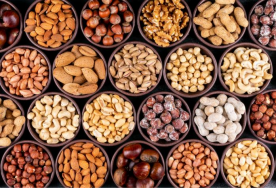
Almonds, sunflower seeds, flaxseeds, and chia seeds provide vitamin E, zinc, and essential fatty acids that enhance barrier integrity and reduce oxidative stress .
### Fruits and Vegetables
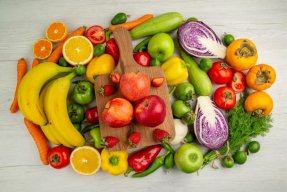
Berries, citrus fruits, spinach, beetroot, and leafy greens support collagen production and reduce inflammation .
### Whole Grains
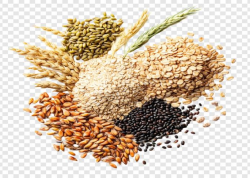
Oats, brown rice, quinoa, and millets support gut microbiota diversity and stabilize blood glucose levels, reducing systemic inflammatory responses.
### Legumes
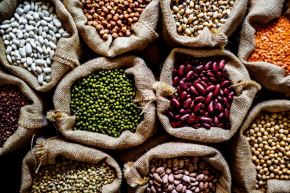
Lentils, chickpeas, and kidney beans provide plant protein and zinc necessary for collagen remodeling and immune function.
## Foods and Ingredients to Avoid
Excess refined sugars (soft drinks, sweets, bakery products) accelerate collagen degradation via glycation. High-glycemic foods increase insulin-like growth factor-1 (IGF-1), stimulating sebaceous gland activity and contributing to acne formation. Processed and fried foods increase oxidative stress and impair barrier integrity. Replacing sugary beverages with infused water or coconut water reduces glycemic load and inflammatory triggers.
## Tips to Maximize Skin Benefits from Your Diet
Maintain adequate hydration (approximately 2–2.5 liters daily, depending on individual needs). While the skin is not a primary detoxification organ — that function is performed by the liver and kidneys — proper hydration supports optimal circulation, nutrient delivery, and cellular function.
Include at least 4–5 different colored fruits and vegetables daily to ensure antioxidant diversity.
Pair fat-soluble vitamins (A, E, carotenoids) with healthy fats to improve absorption.
Maintain consistent meal timing to help stabilize insulin levels and inflammatory responses .
## Conclusion
Skin health is deeply rooted in nutrition, gut microbiota balance, and systemic inflammation control. A diet rich in vitamins, minerals, antioxidants, healthy fats, and whole foods supports collagen synthesis, barrier integrity, immune defense, and long term radiance. Sustainable improvements in skin health require internal nourishment rather than reliance solely on topical interventions. Evidence consistently supports the integration of nutrient-dense dietary patterns for resilient, healthy, and radiant skin.
[BugSpeaks Skin microbiome Test](https://www.bugspeaks.com/test/skin-microbiome-test/) helps you understand your skin better and provides personalized dietary recommendations based on your skin health.
-Kamala M
Also Read: [Skin Microbiome myths- Debunking the common skincare misconceptions](https://www.bugspeaks.com/blog/skin-microbiome-myths-skincare-products/)
**References**
Boelsma, E., Hendriks, H. F. J., & Roza, L. (2001). Nutritional skin care: Health effects of micronutrients and fatty acids. _The American Journal of Clinical Nutrition, 73_(5), 853– 864.
Park, K. (2015). Role of micronutrients in skin health and function. _Biomolecules & Therapeutics, 23_(3), 207–217.
Rocha, C., et al. (2024). Nutritional modulation of skin aging and barrier function. _Nutrients, 16_(1), Article 112.
Sharma, P., et al. (2024). Dietary patterns, inflammation, and dermatological outcomes. _Journal of Dermatological Science, 113_(2), 85–95.
Solway, J., et al. (2020). Antioxidants and photoprotection in skin biology. _Dermato Endocrinology, 12_(1), e1749384.
Vaughn, A. R., Notay, M., Clark, A. K., & Sivamani, R. K. (2017). The gut–skin axis: Role of microbiome in inflammatory skin diseases. _Current Dermatology Reports, 6_(4), 281– 285.
## FAQs
Q: Can food really improve my skin?
A: Yes. The nutrients you eat affect collagen production, skin repair, hydration, and inflammation. Skincare works on the surface, but diet works from inside your body. Healthy eating supports long-term glow and strength of your skin.
Q: Is diet alone enough for perfect skin?
A: Diet is very important, but it’s not the only factor. Hormones, genetics, stress, sleep, and skincare also matter. Think of nutrition as the foundation for healthy skin
Q: How much water should I drink for healthy skin?
A: About 2–2.5 liters per day (depending on your activity and climate). Water helps with circulation and nutrient delivery. While it doesn’t “detox” your skin directly, it supports overall skin function.
Q: Does sugar cause acne?
A: Too much sugar and refined carbs (like white bread, sweets, soft drinks) can increase insulin levels. This may increase oil production in the skin and worsen acne. Reducing sugar can help improve skin clarity over time.
Q: Is dairy bad for skin?
A: For some people, dairy may worsen acne due to hormonal components that influence oil production. However, this is individual. Not everyone needs to eliminate dairy unless they notice a clear trigger.
Q: Are supplements necessary for glowing skin?
A: Not always. If your diet is balanced and nutrient-rich, you may not need supplements. Supplements are helpful only if there is a deficiency, and they should be taken under professional guidance.
Q: Do fruits really make your skin glow?
A: Yes. Fruits are rich in vitamin C, antioxidants, and water content. These nutrients help reduce oxidative stress and support collagen production, improving brightness and texture over time.
Q: Is green tea good for skin?
A: Yes. Green tea contains polyphenols that reduce inflammation and protect against oxidative damage. Regular consumption may support clearer and calmer skin.
Q: Does stress affect skin even if diet is good?
A: Yes. Stress increases cortisol levels, which can increase oil production and inflammation. Even with a good diet, managing stress is important for healthy skin.
Q: Is glowing skin only about vitamins?
A: No. Skin health depends on a combination of vitamins, minerals, protein, healthy fats, hydration, sleep, and gut health. It’s about overall lifestyle, not one nutrient.
---
This blog is powered by Superblog. Visit https://superblog.ai to know more.
---