# 5 Signs Your Gut Microbiome Is Out Of Balance
Author: BugSpeaks
Author URL: https://www.bugspeaks.com/blog/author/bugspeaks
Published: 2025-10-17
Category: Gut Health
Category URL: https://www.bugspeaks.com/blog/category/gut-health
Meta Title: 5 Signs Your Gut Microbiome Is Off ,Gut Imbalance and Digestion Issues
Meta Description: Is your gut healthy? Discover 5 warning signs of an imbalanced gut microbiome and what they mean for your body and mind.
Tags: Gut Microbiome, Gut Health, Gut Dysbiosis
Tag URLs: Gut Microbiome (https://www.bugspeaks.com/blog/tag/gut-microbiome), Gut Health (https://www.bugspeaks.com/blog/tag/gut-health), Gut Dysbiosis (https://www.bugspeaks.com/blog/tag/gut-dysbiosis)
URL: https://www.bugspeaks.com/blog/5-signs-gut-microbiome-is-out-of-balance
## Introduction
When most people hear the word bacteria, they think of germs and disease. But not all bacteria are harmful, in fact, trillions of them live inside your gut, forming what scientists call the gut microbiome. This vast ecosystem of microbes doesn’t just help with digestion; it also influences immunity, metabolism, mood regulation, skin health, and even brain function.
A balanced microbiome supports strong digestive health, keeps inflammation under control, and boosts your energy levels. On the other hand, when this delicate balance is disturbed, your body often starts sending warning signals. Surprisingly, these signals aren’t always limited to constipation, bloating, or diarrhea, they can also show up as skin issues, fatigue, migraines, or mood swings.
Here are 5 surprising signs of poor gut health that may indicate your microbiome is out of balance:
## **1\. Migraines**
Recurring migraines aren’t always “just headaches.” Research shows a strong connection between the gut and brain through the gut-brain axis, meaning your digestive health can directly influence your neurological health.
Studies have found that people with gut imbalance often have a less diverse microbiota, which may increase inflammation and trigger migraine attacks. Certain foods such as caffeine, alcohol, artificial sweeteners, and processed sugars can worsen the problem.
If your migraines are frequent, don’t overlook your gut, restoring microbial balance may actually reduce both the intensity and frequency.
**Tip:** Keep a food and migraine diary to track triggers. You may find that gut-friendly changes like incorporating fiber rich food, eggs and probiotics in your diet can ease your symptoms.
## **2\. Frequent Mood Changes**
If you’ve ever felt “hangry,” you’ve already experienced the gut’s influence on your mood. But the connection runs much deeper. Your gut microbes produce and regulate neurotransmitters like serotonin and dopamine, the very chemicals responsible for mood stability and happiness.
When your gut is out of balance, neurotransmitter production can get disrupted, often leading to stress, anxiety, brain fog, or mood swings. In fact, research suggests that gut dysbiosis may be linked to [depression](https://www.bugspeaks.com/blog/gut-microbiome-and-depression/) and other mental health conditions.
If your moods feel unpredictable without any clear reason, your gut might be playing a bigger role than you think.
## **3\. Acne Breakouts**
Struggling with stubborn acne despite trying every skincare product? The root cause might not be on your skin but inside your gut.
When harmful microbes dominate your gut, they trigger inflammation and excess sebum production, which clog pores and worsen breakouts. This is especially true if acne occurs alongside digestive issues like bloating, constipation, or food intolerances.
The good news? Restoring balance with probiotics, prebiotics, and fiber-rich foods can not only improve digestion but also help you achieve clearer skin naturally.
## **4\. Unintentional Weight Changes**
### Unexplained weight gain or loss can be another hidden sign of gut imbalance :
- Weight gain: A “leaky gut” allows toxins such as lipopolysaccharides (LPS) to enter the bloodstream. This triggers inflammation, disrupts metabolism, and contributes to insulin resistance, making weight gain more likely.
- Weight loss: On the flip side, reduced microbial diversity may impair nutrient absorption, leading to weight loss, even if you haven’t changed your diet.
If your weight shifts suddenly and you can’t explain why, your gut microbiome could be the root cause.
## 5\. Impaired Gut Transit Time
Gut transit time, the speed at which food moves through your digestive tract, can reveal a lot about your microbiome health.
- Slow transit time → Causes constipation, bloating, and buildup of harmful by-products like sulfur and ammonia.
- Fast transit time → Leads to diarrhea, dehydration, and nutrient deficiencies.
- Your diet and lifestyle play a huge role here. A fiber-rich diet naturally improves bowel movement, while low-fiber, high-fat diets slow it down.
**Tip:** If your bowel habits are consistently irregular, consider it a signal that your gut may need extra care.
## **Conclusion**
Even if you don’t experience obvious digestive issues, your gut might still be struggling. Subtle symptoms like migraines, mood swings, acne, or sudden weight changes are early warnings of imbalance.
The good news is that you can start restoring balance with small daily changes:
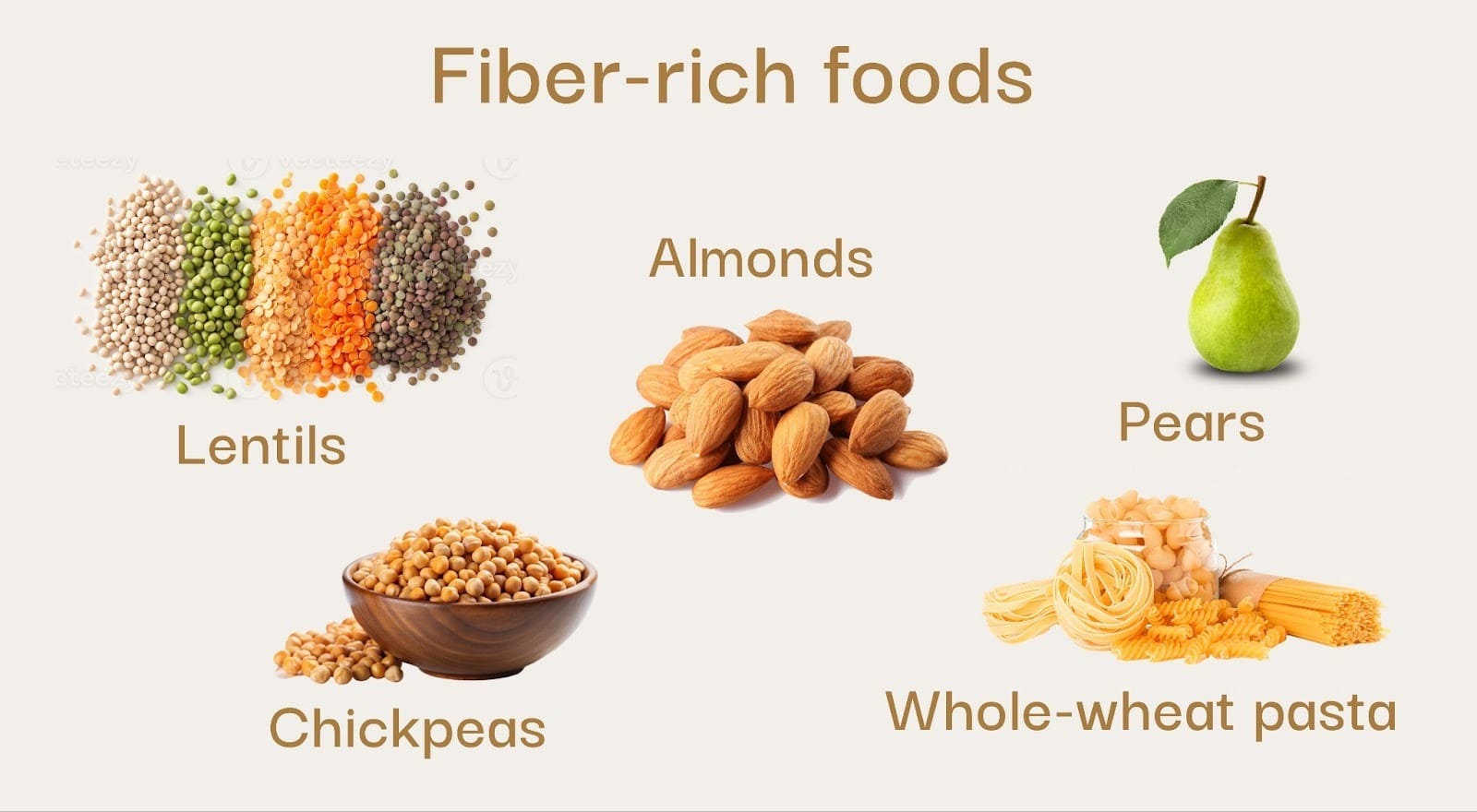
- Eat more fiber-rich foods (whole grains, legumes, fruits, vegetables)
- Include fermented foods (yogurt, kimchi, sauerkraut, dosa, idli)
- Stay hydrated and manage stress through yoga, meditation, or regular sleep
- Avoid excess processed foods and sugar
- Add probiotics or prebiotics if needed
**Remember:** Every gut is unique. Paying attention to these signs and making mindful choices can help you prevent chronic issues and improve your overall health. Your gut health doesn’t just affect digestion, it shapes your energy, immunity, skin, and mood. [Gut microbiome test with a personalised diet plan](https://bugspeaks.com/test/gut-microbiome-test/) will help fix your gut. Take care of it, and it will take care of you.
-Tanvi Rai
**References**
Bidell, M. R., Hobbs, A. L., & Lodise, T. P. (2022). Gut microbiome health and dysbiosis: A clinical primer. Pharmacotherapy: The Journal of Human Pharmacology and Drug Therapy, 42(11), 849-857.
Damms-Machado, A., Louis, S., Schnitzer, A., Volynets, V., Rings, A., Basrai, M., & Bischoff, S. C. (2017). Gut permeability is related to body weight, fatty liver disease, and insulin resistance in obese individuals undergoing weight reduction. The American journal of clinical nutrition, 105(1), 127-135.
He, Q., Wang, W., Xiong, Y., Tao, C., Ma, L., Ma, J., & You, C. (2023). A causal effect of gut microbiota in the development of migraine. The journal of headache and pain, 24(1), 90.
Martin, S. E., Kraft, C. S., Ziegler, T. R., Millson, E. C., Rishishwar, L., & Martin, G. S. (2023). The role of diet on the gut microbiome, mood and happiness. medRxiv.
McGuinness, A. J., Loughman, A., Foster, J. A., & Jacka, F. (2024). Mood disorders: the gut bacteriome and beyond. Biological Psychiatry, 95(4), 319-328.
Procházková, N., Falony, G., Dragsted, L. O., Licht, T. R., Raes, J., & Roager, H. M. (2023). Advancing human gut microbiota research by considering gut transit time. Gut, 72(1), 180-191.
Sánchez-Pellicer, P., Navarro-Moratalla, L., Núñez-Delegido, E., Ruzafa-Costas, B., Agüera-Santos, J., & Navarro-López, V. (2022). Acne, microbiome, and probiotics: The gut–skin axis. Microorganisms, 10(7), 1303.
Spekker, E., & Nagy-Grócz, G. (2023). All roads lead to the gut: the importance of the Microbiota and Diet in Migraine. Neurology International, 15(3), 1174-1190.
Turnbaugh, P. J., Ley, R. E., Hamady, M., Fraser-Liggett, C. M., Knight, R., & Gordon, J. I. (2007). The human microbiome project. Nature, 449(7164), 804-810.
## FAQs
Q: What are the early signs of poor gut health?
A: Common symptoms include bloating, constipation, diarrhea, fatigue, acne, and frequent inflammation. These may indicate an unhealthy or unbalanced microbiome.
Q: Can gut imbalance cause skin problems?
A: Yes. Dysbiosis triggers inflammation that often shows up as acne, eczema, or rashes. Restoring gut health often clears skin naturally.
Q: How does leaky gut affect digestion?
A: Leaky gut allows toxins and undigested particles into the bloodstream, leading to inflammation, nutrient deficiencies, and digestive problems.
Q: Can fatigue be linked to gut problems?
A: Absolutely. Poor gut health interferes with nutrient absorption and increases inflammation, which can result in chronic fatigue and low energy.
Q: How can I restore a healthy gut microbiome?
A: You can restore your gut health by focusing on fiber, fermented foods, hydration, and regular exercise. Reducing processed food and sugar also helps. Probiotics and prebiotics can support balance.
Q: Does stress affect gut health?
A: Yes. Chronic stress disrupts the gut-brain axis, weakens digestion, and promotes gut imbalance. Stress management is essential for long-term gut health.
---
This blog is powered by Superblog. Visit https://superblog.ai to know more.
---